Your International People, Culture & Lifestyle Magazine
India: A Land Infused with Bright Colors, Culture, and Spirit
When one thinks of India, a vivid palette of colors instantly comes to mind.
Whether you’ve strolled through an Indian marketplace, watched a Bollywood film, or savored a spicy curry, you’ve likely noticed the soulful infusion of rich colors into nearly every aspect of Indian life. From festivals to fashion, religion to cuisine, India is a celebration of color, diversity, and deep-rooted tradition.
A Tapestry of Color and Symbolism
In India, color is far more than decoration—it is symbolic, spiritual, and expressive.
Every hue tells a story and plays a role in everyday life and major life events:
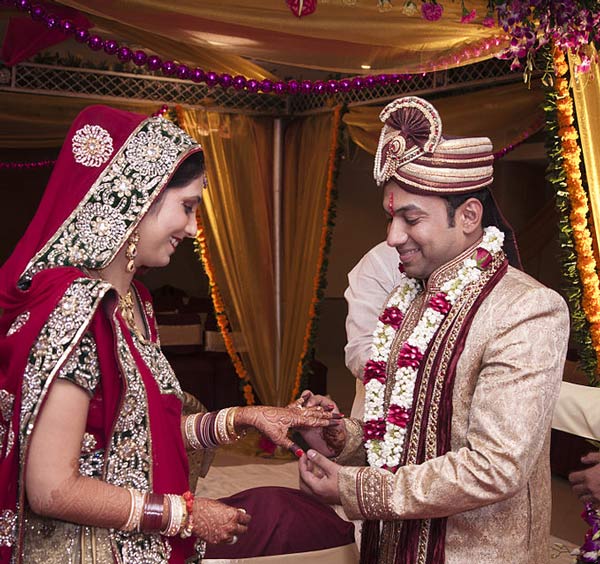
Red is widely seen in Indian weddings, representing purity, prosperity, and fertility. It is also associated with Shakti, the divine feminine energy.
Blue, the color of the god Krishna, stands for peacefulness, bravery, and determination. It reflects the vastness of the ocean and the sky.
Yellow symbolizes learning, knowledge, and sanctity. It’s the color of spring and is worn during many religious ceremonies and festivals like Basant Panchami.
Green signifies harmony, life, nature, and renewal. It is also considered a sacred color in Islam, which is practiced by a large minority in India.
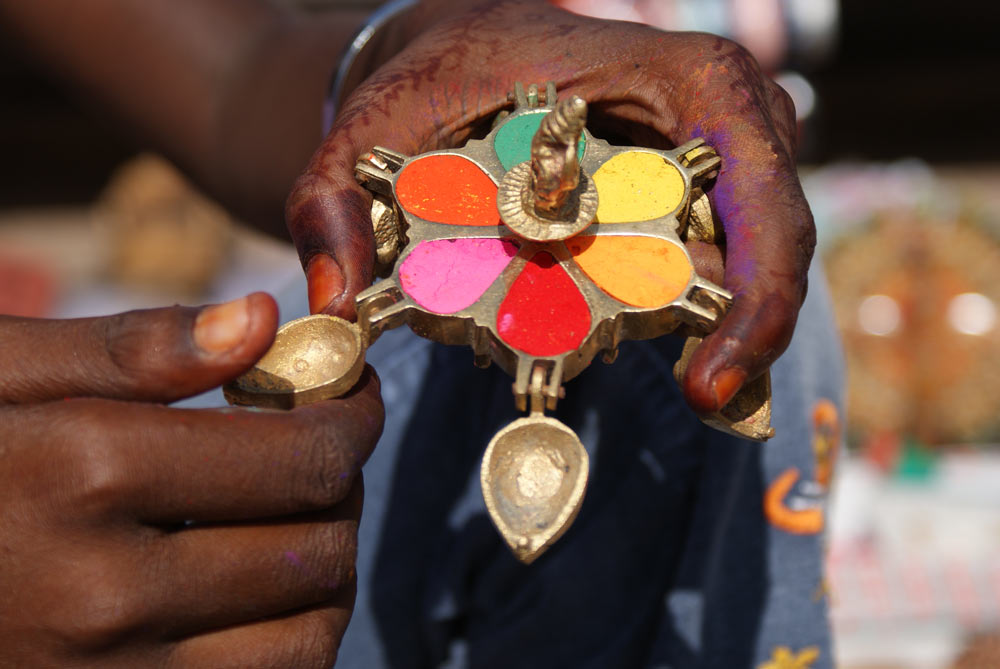
Colorful powders in a special box used for religious purpose, Orccha, India (Photo: Ewamewa2)
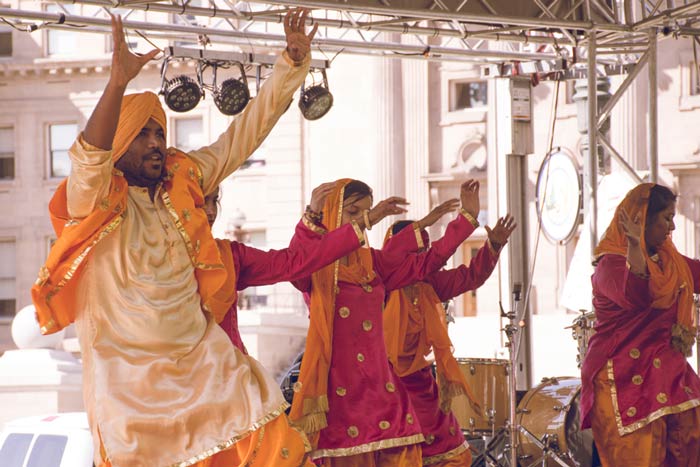
Whether it’s the powder thrown during Holi, the vibrant sarees and turbans worn in daily life, or the radiant lights of Diwali, India’s activities, festivities and traditions are alive with meaning and intensity.
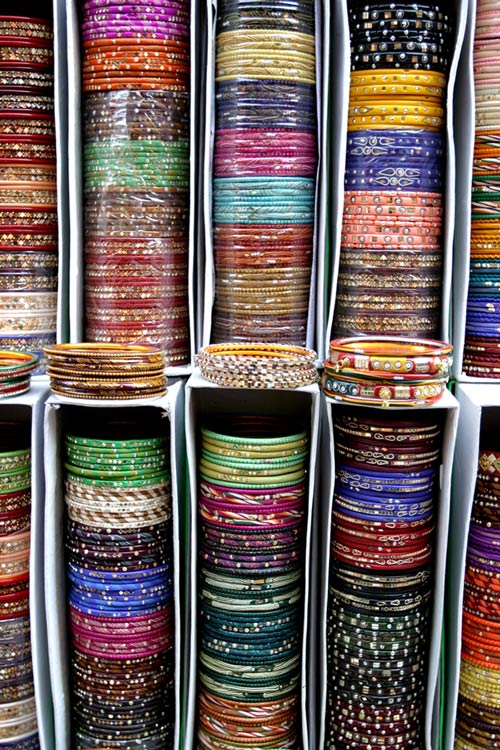
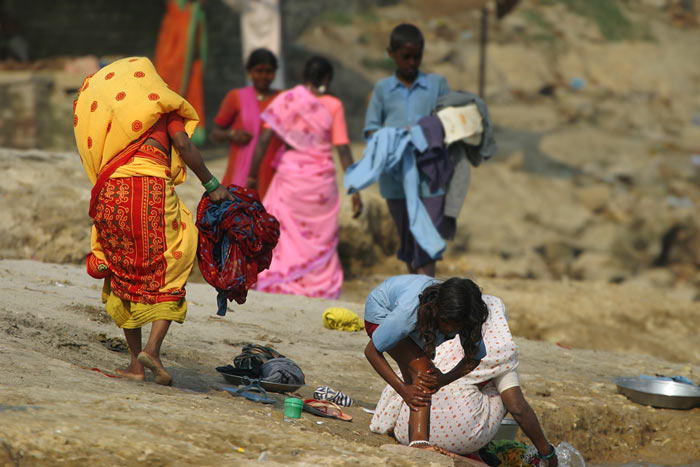
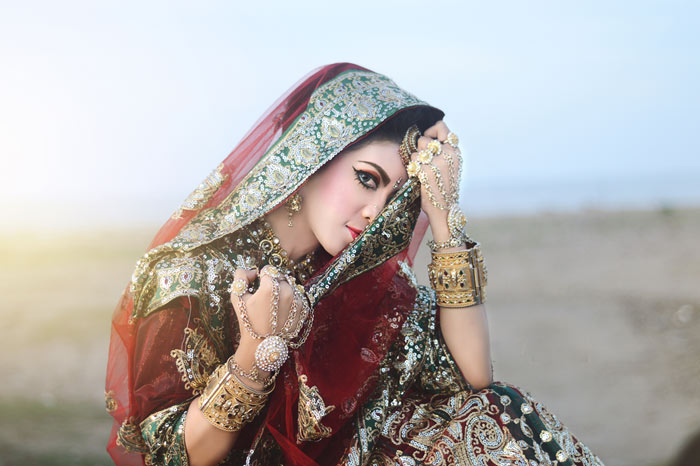
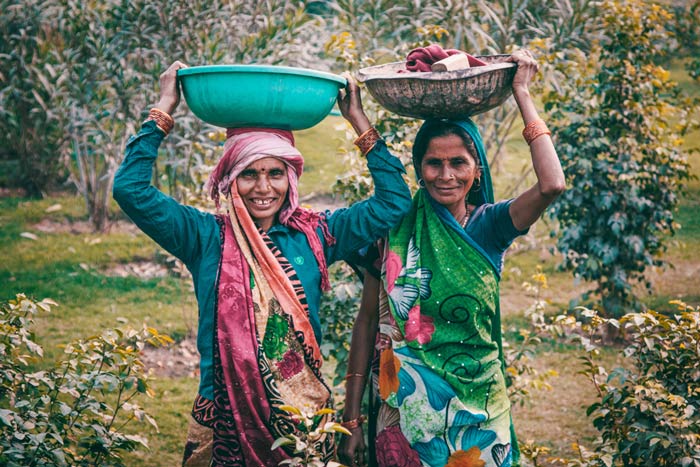
Indian jewelry (Photo: Melissa Peltenburg-Schalke)Women in beautiful saris (Photo: Melissa Peltenburg-Schalke)
A Cradle of Spirituality and Religion
India is not just colorful—it’s spiritually profound. It is the birthplace of four major world religions: Hinduism, Buddhism, Jainism, and Sikhism. These ancient spiritual paths continue to shape the country’s identity, rituals, art, and moral values.
Hinduism, practiced by around 80% of the population, permeates daily life through temple rituals, yoga, astrology, and the reverence of nature.
Islam is followed by about 14% of the population. Christianity, Jainism, Sikhism, and Buddhism also add to India’s multi-faith heritage, often coexisting in the same neighborhoods and cities.
A Nation of Contrasts and Unity in Diversity
India, home to more than 1.3 billion people, is the second most populous country in the world. It’s a land of contrasts—where ancient temples stand beside modern skyscrapers, and rituals thousands of years old are practiced with the same reverence today.
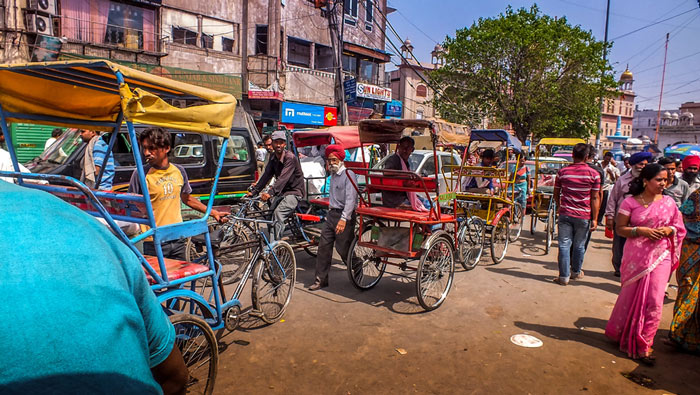
Streets of New Delhi (Photo: Piviso.com)
The country’s major cities reflect this rich diversity:
New Delhi – The capital city, offering a blend of Mughal architecture, bustling bazaars, and modern political centers.
Mumbai – India’s financial powerhouse and home to Bollywood.
Kolkata – A city steeped in colonial history, literature, and art.
Bangalore – The Silicon Valley of India, known for its tech industry.
Chennai – A cultural hub with deep roots in classical dance and music.
Each region, from the Himalayas in the north to the backwaters of Kerala in the south, though diverse, all are united under the banner of Indian identity.
A Destination for the Soul
India isn’t just a place to visit—it’s a place to feel, to reflect, and to grow. It’s one of the world’s most sought-after destinations for spiritual seekers, yogis, and meditation practitioners.
Yoga retreats in Rishikesh, Vipassana centers in Maharashtra, ashrams in Tamil Nadu, and Buddhist monasteries in Ladakh attract visitors from every corner of the globe looking for inner peace and ancient wisdom.
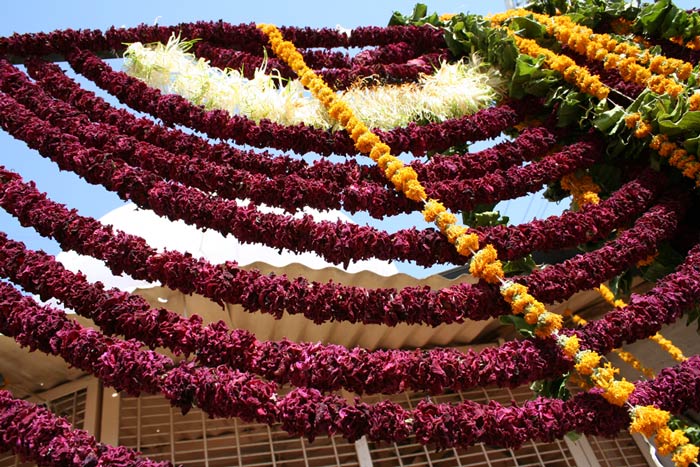
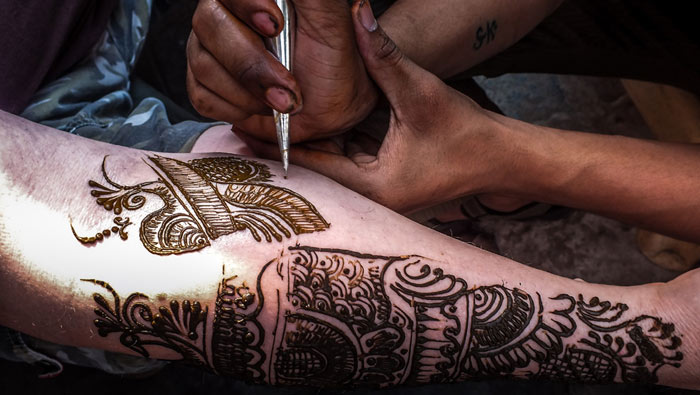
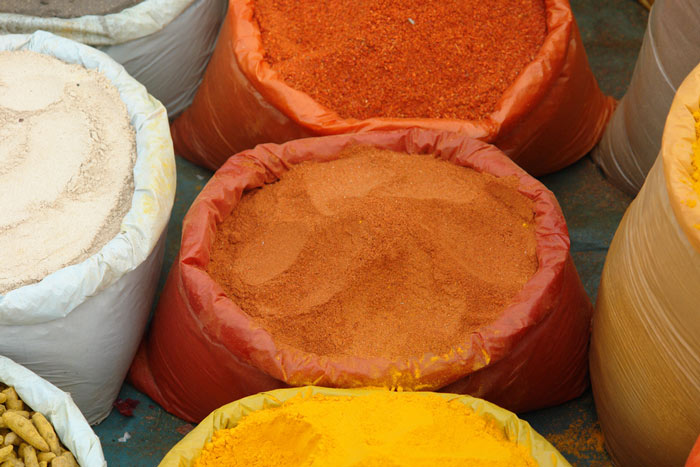
Strings of flowers in Jodhpur, Rajastan, India (Photo: Ryszard Laskowski)Henna Tattoo, Delhi, India (Photo: Piviso.com)Indian spices (Photo: Imageo)
Welcoming the World
In 2018 alone, India welcomed over 18 million international tourists—drawn by the promise of spectacular architecture, colorful markets, soulful music and dance, and the warm smiles of its people.
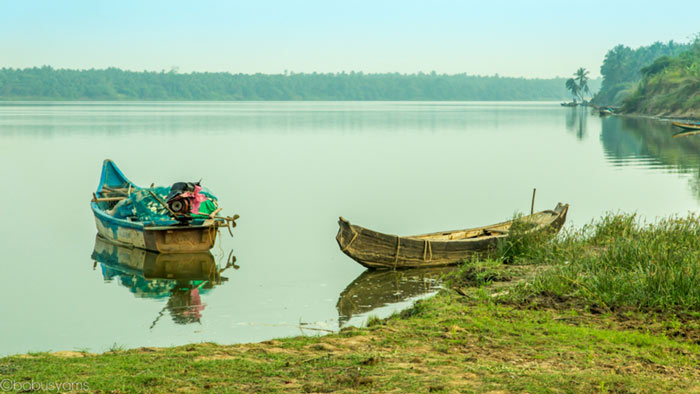
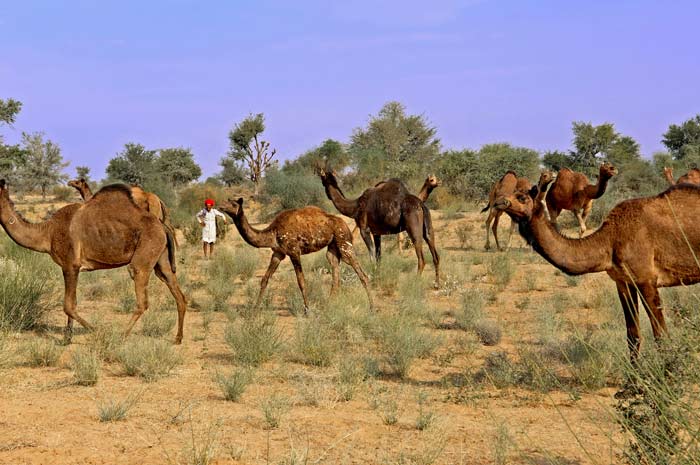
Boats near Godavari, Lankala Gannavaram in KonaseemaCamels on the desert of the Thar in Rajasthan
From the Taj Mahal to the Ganges River, from the Thar Desert to the tea plantations of Darjeeling, India offers an unforgettable journey for every traveler.
If you’re seeking a travel experience that goes beyond sightseeing—one that challenges your perceptions, awakens your spirit, and immerses you in a kaleidoscope of culture, color, and connection—then India awaits you.