Wood has shaped human survival and culture since the earliest days of our species. Long before electricity or fossil fuels, communities relied on wood from surrounding forests for food preparation, warmth, shelter, and tools.
From prehistoric hearths to early civilizations, wood was central to daily life—fueling fires, framing homes, crafting utensils, and even enabling exploration through wooden ships. Even in the modern era, despite the rise of natural gas and electricity, firewood remains essential for millions of households worldwide.
The following photos highlight the use of wood by everyday people around the world:
COLLECTING FIREWOOD
In many rural areas across the world, families continue to collect wood for cooking and heating.
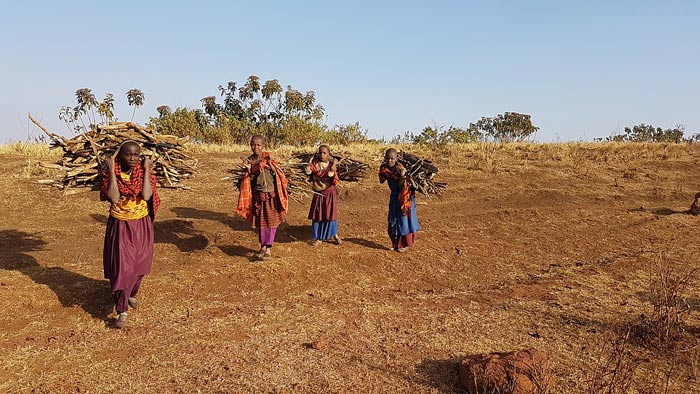
The act of collecting wood is often a daily chore. It may involve long walks to nearby forests, careful bundling of branches, and transporting heavy loads home, sometimes balanced on the head, carried on the back, or transported in other ways across rugged terrain.
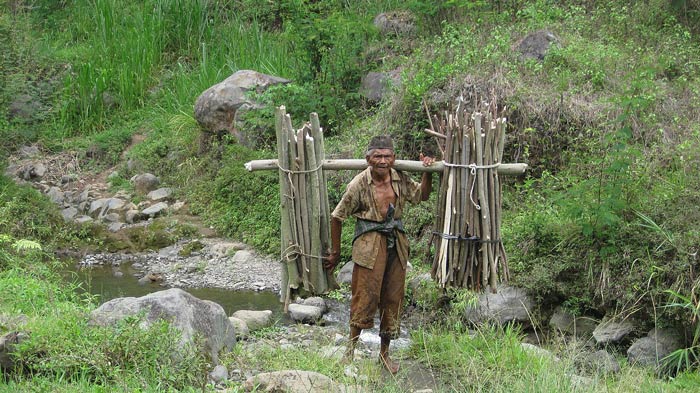
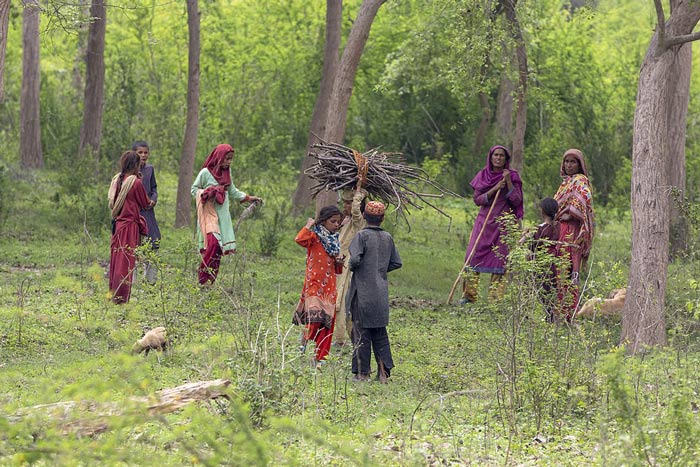
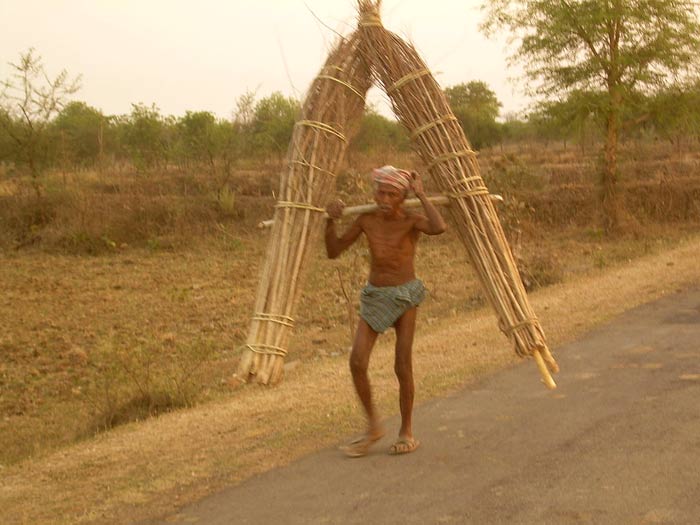
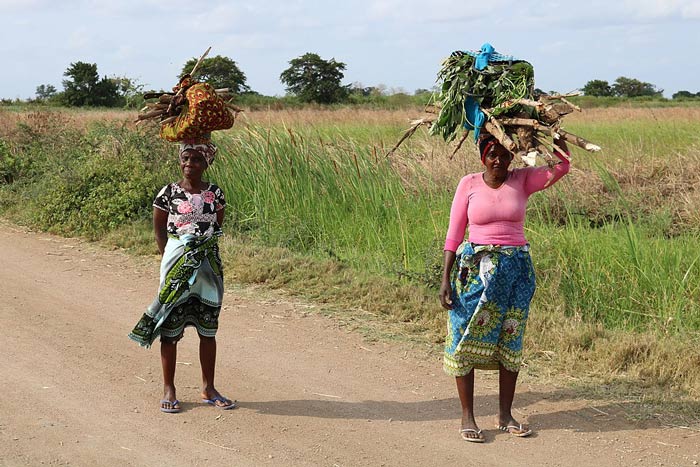
“Mozambique: Women carrying wood home to their houses in Lionde, Gaza province. After a day of working on their ‘machambas’ (local farms) they return home and will start cooking for their families.” (PHOTOGRAPHER NOTES)
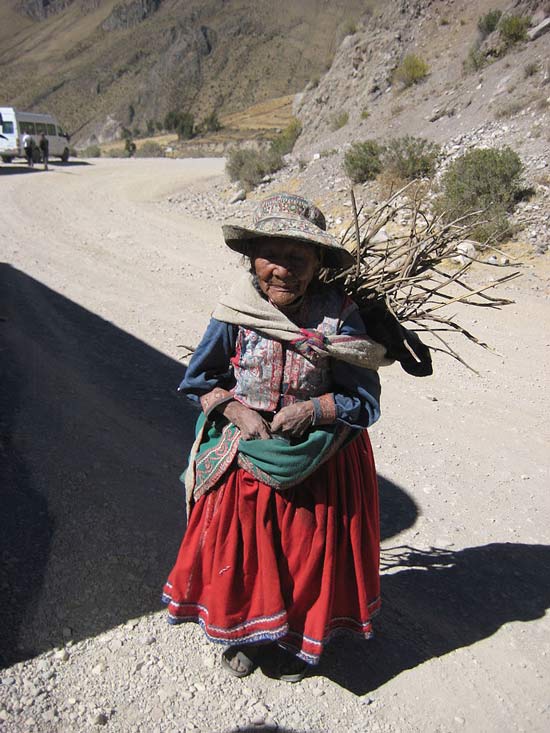
These images of everyday people gathering and transporting wood reflect resilience, lifestyle continuity, and humanity’s enduring bond with nature.
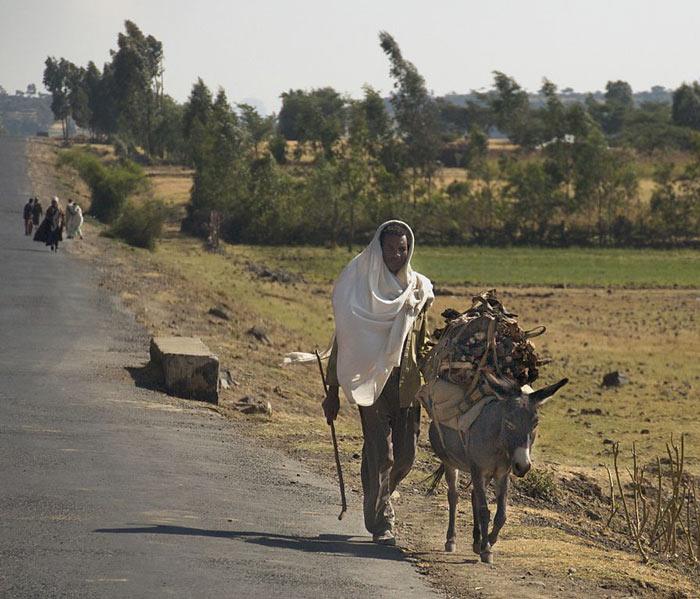
After wood makes its way home, it is used for many purposes.
WOOD FOR COOKING
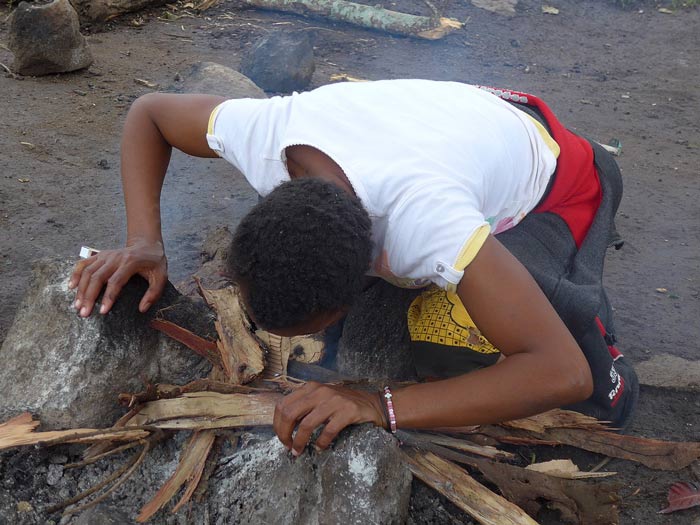
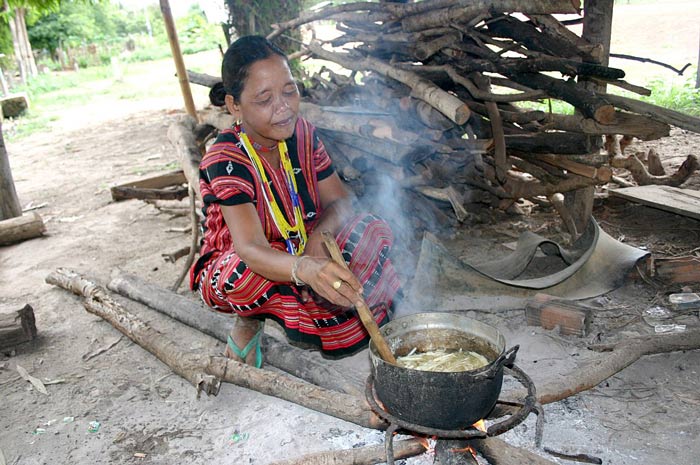
“Cooking, Laos: A Brau woman in Attapeu province of Laos boils bamboo shoots over a wood stove. Stoves of this sort are made of a metal or ceramic tripod with space to push logs in as they burn. Such stoves are common throughout Laos.”
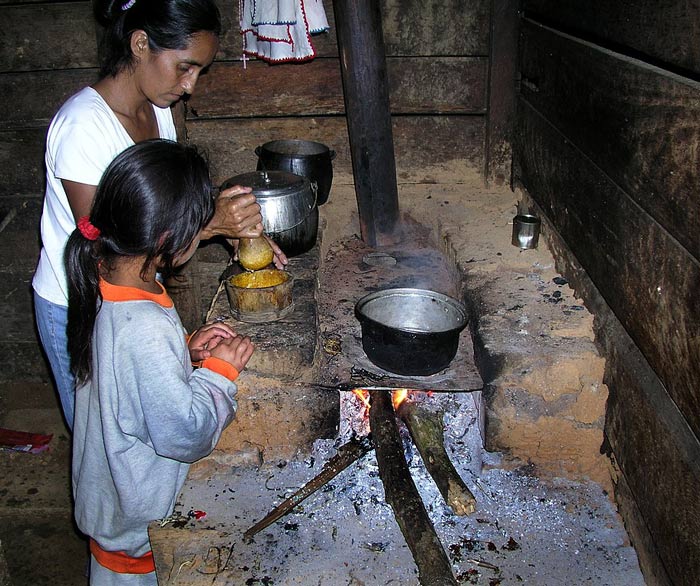
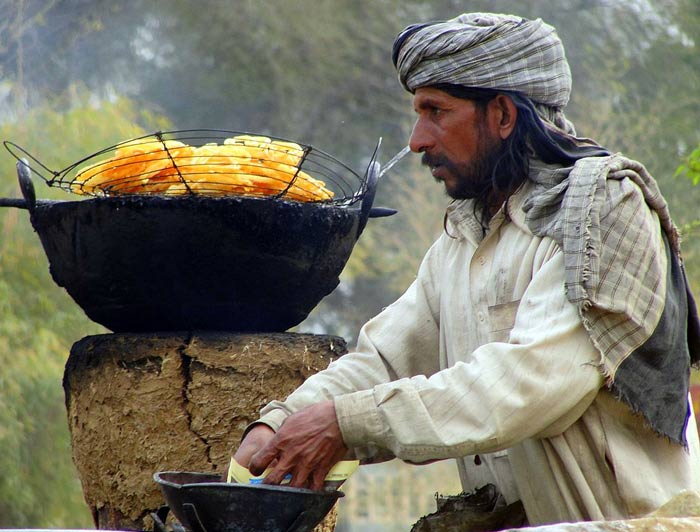

WOOD FOR HEATING
For many, wood remains the most accessible and affordable energy source.
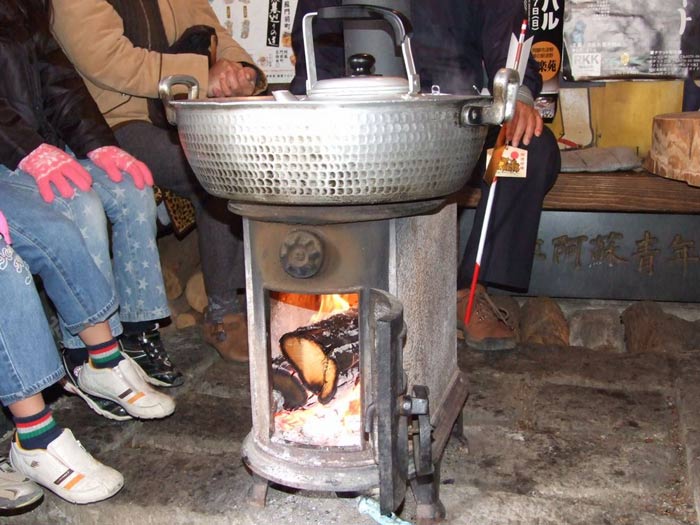
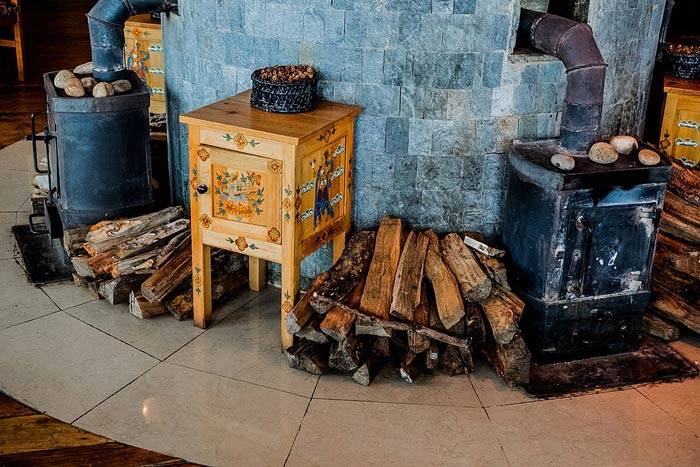
WOOD FOR STORAGE
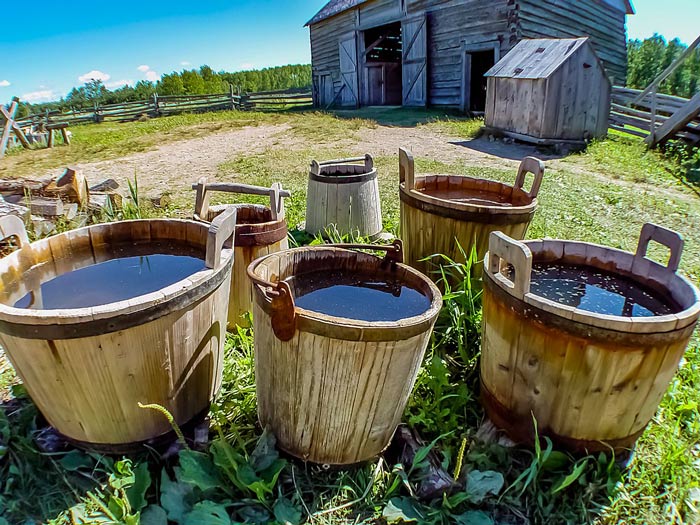
For centuries before plastic bins and metal containers existed, wood served as one of the most dependable materials for storage of food, tools, clothing, and treasured possessions.
Overall, wood’s natural strength and durability has made it a trusted household choice across cultures and generations worldwide. What sets wood apart is its accessibility and versatility. Unlike many modern materials that require extensive industrial processing, wood can often be sourced locally and shaped with simple tools to create natural, non-toxic, and healthy items and accessories.
Among all natural resources, our connection to and use of wood is very important and even rudimentary, no matter where we are. This shows that even in a world filled with steel and concrete, we still have strong links to some basic elements of nature.Your thoughts??