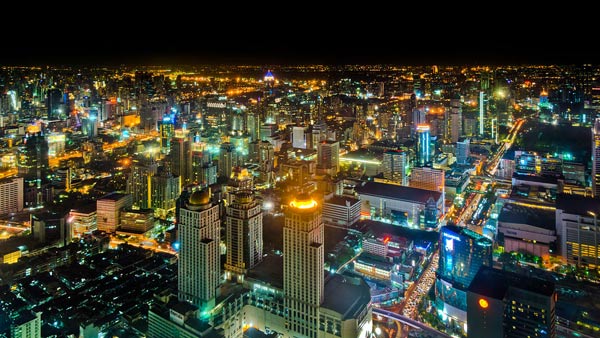
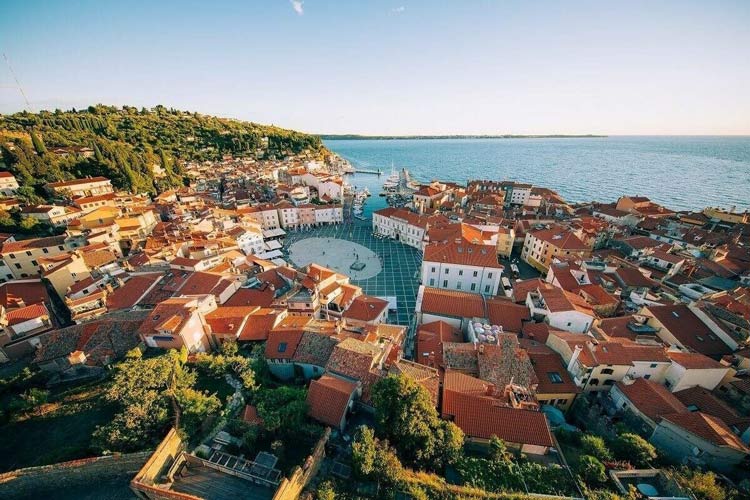
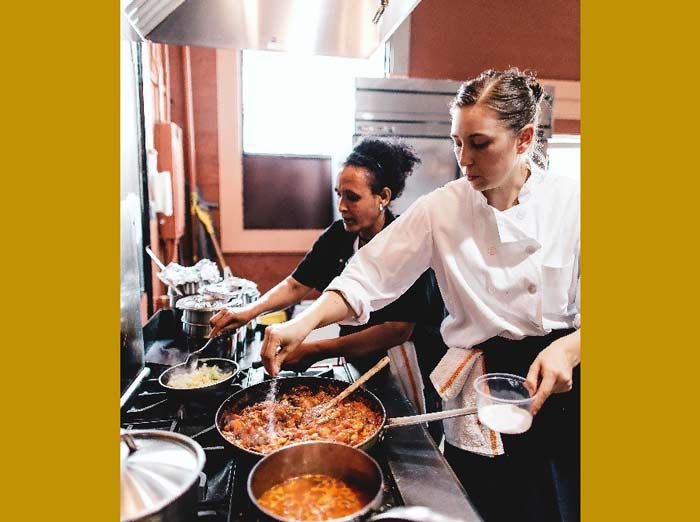
Marketplaces serve as City Hearts where authentic connections are created in more ways than one.
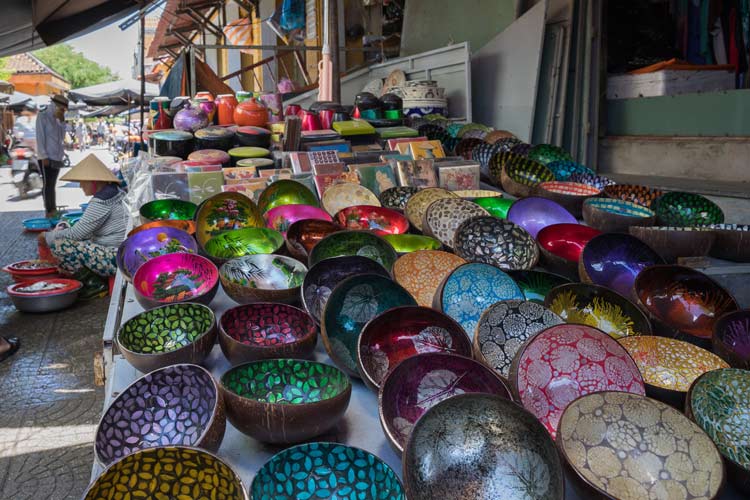
In every corner of the world, from the warm sunshine of Accra (Ghana), the bustling streets of Bangkok (Thailand) to the serene plazas of Lisbon (Portugal), there’s one place where the true soul of a city quietly pulses: the local marketplace.
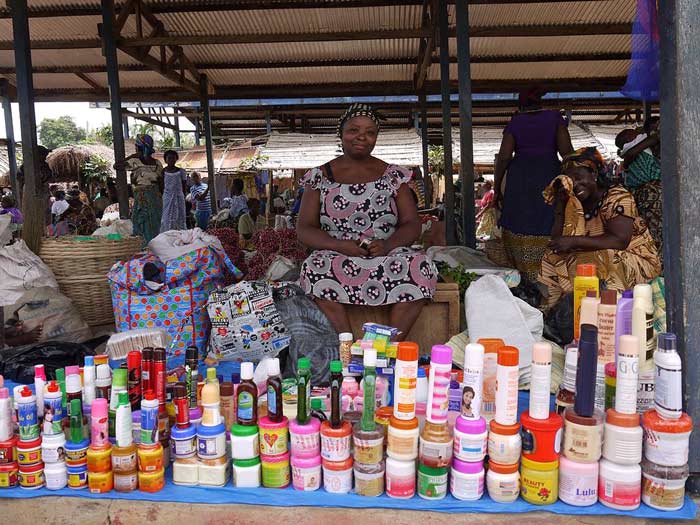
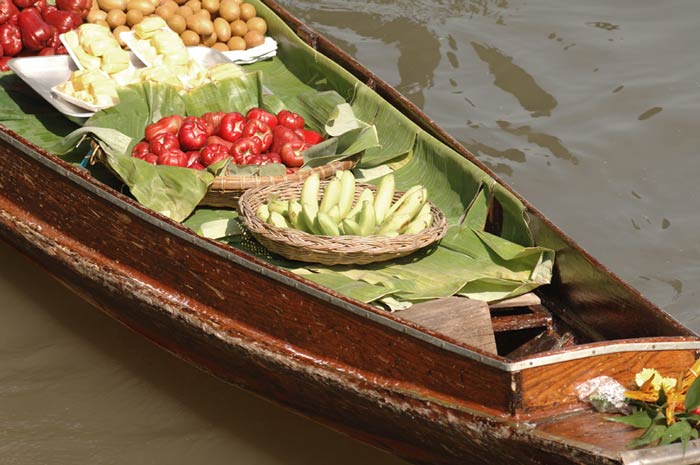
These vibrant spaces are more than just a hub of commerce. They are areas where culture, community, and connection come alive.
So, if you’re looking to experience the very best a city, town or village has to offer, skip the tourist traps and head straight to its markets.
A Feast for the Senses
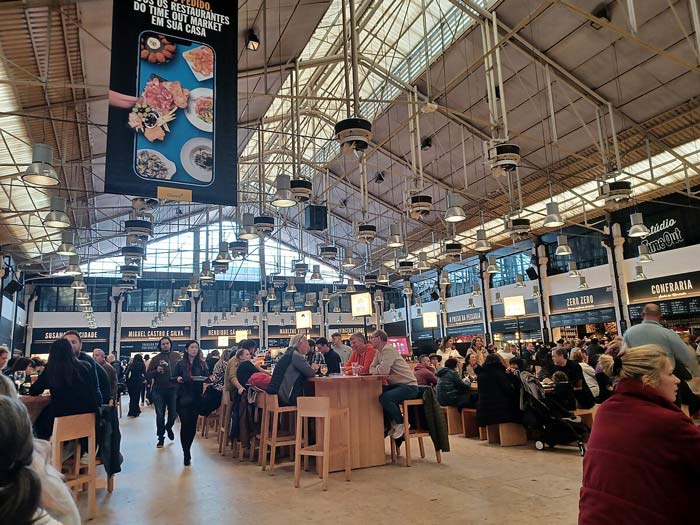
The first thing that strikes you in a local market is the sensory overload.
The scent of fresh herbs, the sizzle of street food, the rainbow of fruits stacked high, and the buzz of animated conversations in local dialects is often tantalizing.
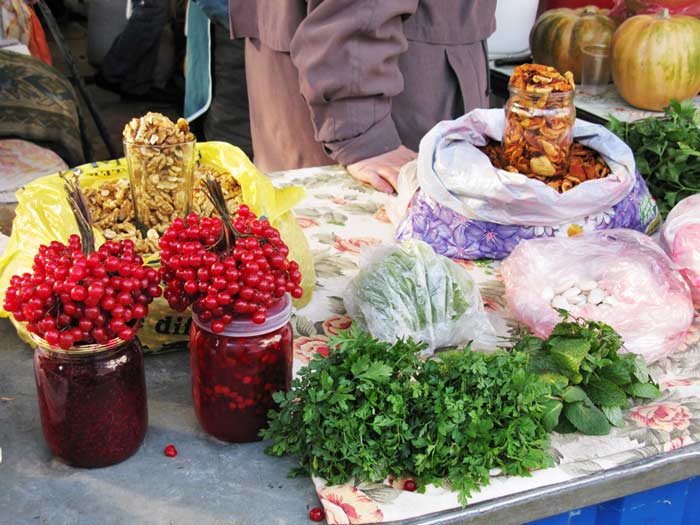
Every stall tells a story.
Every item, from handwoven baskets to homemade pickles, speaks of tradition, history, and craftsmanship passed through generations.
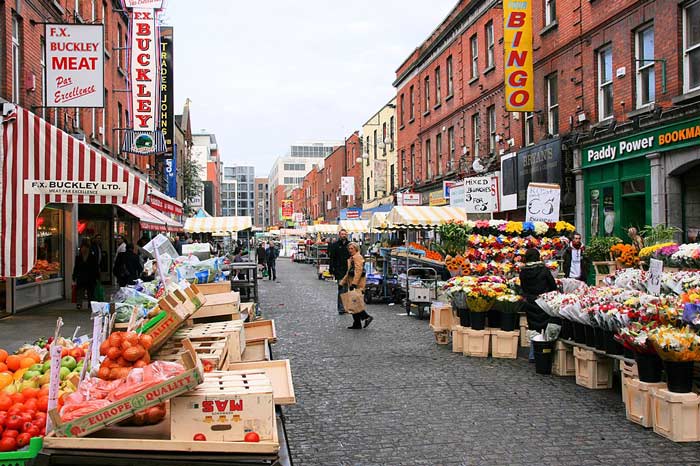
Markets offer an unfiltered look into daily life.
While museums and monuments tell a city’s history, markets reveal its present… what people eat, how they greet one another, what they value, and how they live.
The Currency of Connection is more than Money
What makes these marketplaces especially special and connective is not just what’s bought and sold, but the warmth exchanged with every transaction. A vendor offers a sample of cheese with a wink and a joke. A florist wraps a bouquet with a compliment and a story. Strangers smile, nod, and greet each other as neighbors.
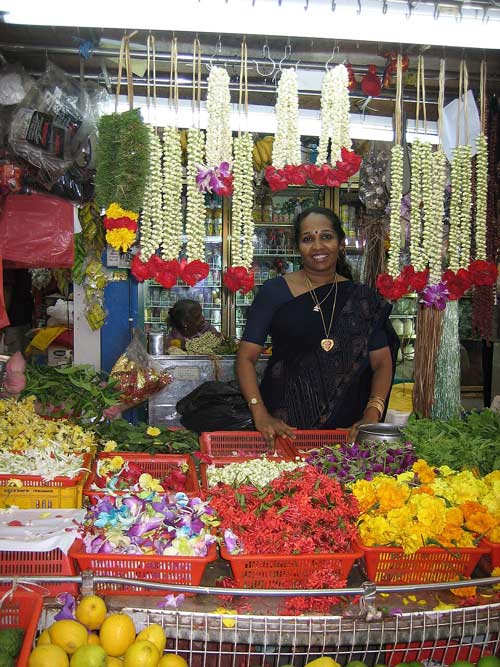
In a world often marked by rushed transactions and digital detachment, markets bring us back to human connection.
You don’t need to speak the language fluently to be welcomed. A smile, a curious glance, or a genuine compliment often earns you more than just a good deal — it opens a door into the local way of life.
Supporting Local… Living Local
When you shop in a local market, you’re not just a visitor; you become a participant in the city’s ecosystem. Your money goes to local farmers, artisans, bakers, and craftspeople — real people with real stories. It supports livelihoods and sustains traditions that might otherwise fade in the face of globalization.
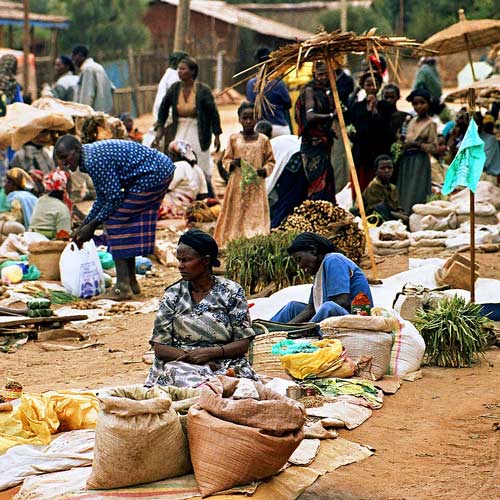
Moreover, marketplaces are often housed in central or historic districts, making them cultural hot-spots and architectural treasures. Whether it’s the Yaounde Central Market in Cameroon, the grand halls of La Boqueria in Barcelona or the open-air charm of Ubud Market in Bali, these spaces offer both character and community.
A Global Truth in Local Places
Across cultures, there’s a shared understanding: marketplaces are cherished spaces. They’re where food is shared, tradition thrives, gossip is exchanged, and milestones are discussed and celebrated. The setting may change, the goods may differ, but the human spirit within remains strikingly similar.
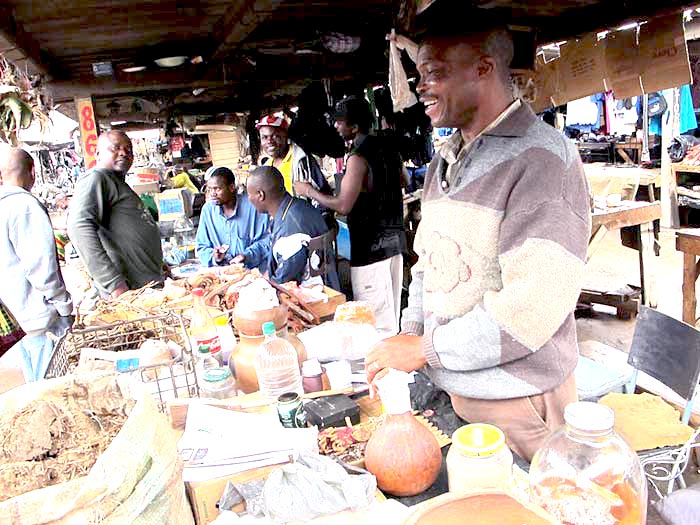
No matter where you travel, a marketplace is a doorway — to flavor, to history, to humanity.
So, next time you find yourself in a new city, wander through its market. You may go looking for a souvenir or a snack but leave with something far more lasting: a memory made of laughter, a lesson in local life, and perhaps, a new friend.