Your International People, Culture & Lifestyle Magazine
Impact of Fast Fashion on Climate Change
The environmental impact of fast fashion is substantial. Fast fashion, which refers to the rapid manufacturing and sale of the latest trend clothing, presents an environmental issue that directly and indirectly contributes to climate change.
Some of the major impacts of the fast fashion industry on climate change include:
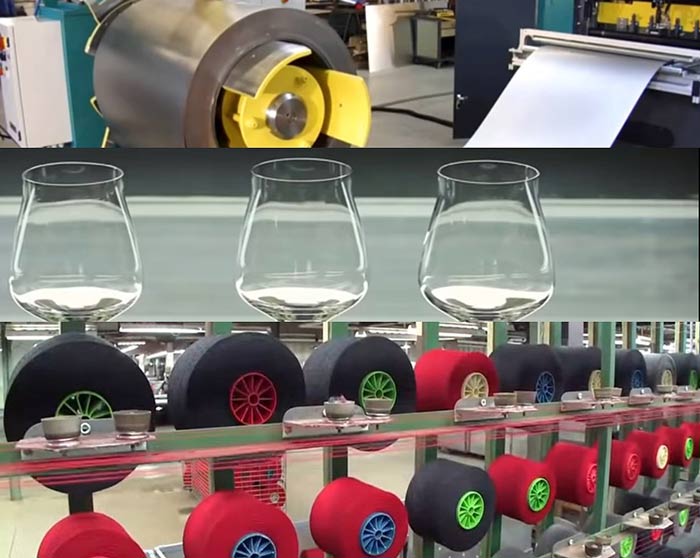
High water usage and pollution: The production of textiles, especially cotton, requires enormous amounts of water, thus consuming resources that could be used for essential purposes such as human consumption and agriculture. In addition, harmful dyes and chemicals released during manufacturing are often discharged into rivers and waterways, leading to severe water pollution and ecosystem damage.
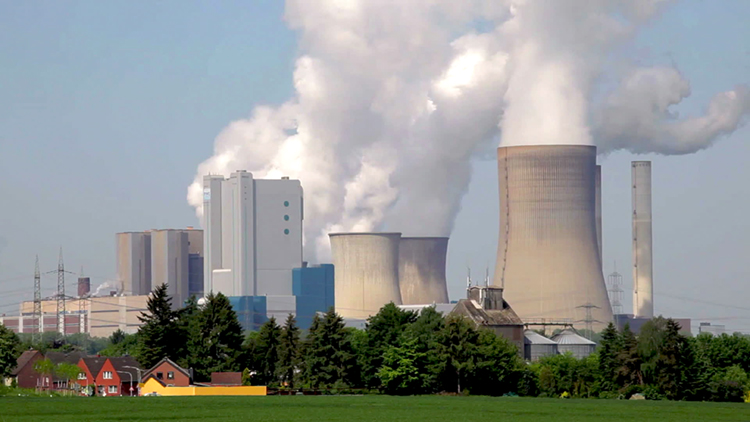
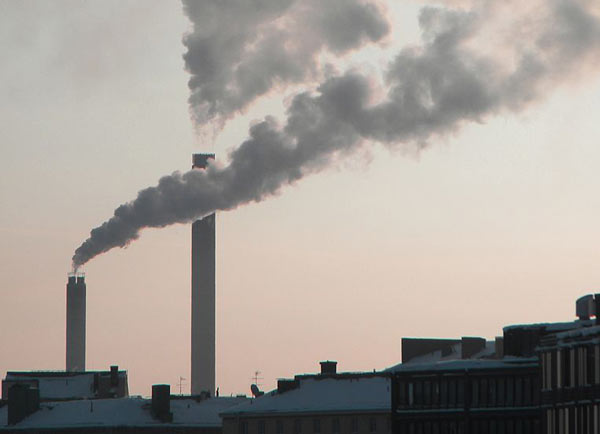
Carbon emissions from production and transport: Rapid production cycles in the fast fashion industry require frequent manufacturing, transportation, and high energy consumption, all of which significantly increase greenhouse gas emissions. Gases such as carbon dioxide and methane accumulate in the atmosphere, forming a layer that traps heat. This process, known as the greenhouse effect, leads to rising global temperatures and ultimately contributes to climate change.
Land use and deforestation: The cultivation of cotton and the raising of livestock for leather used in clothing production require large amounts of land. As a result, deforestation often occurs to create space for these activities. This reduces the number of trees in the environment, thereby decreasing the planet’s capacity to absorb carbon dioxide and other gases that need to be filtered out of the atmosphere. Additionally, the conversion of land for fashion-related production reduces the availability of land for food crops, which can negatively impact food security.
Microplastics pollution: Washing synthetic garments releases microplastics into rivers and oceans. These tiny plastic particles harm marine life when ingested and can enter the human food chain, potentially causing health problems and diseases in humans.
Chemical contamination: Fast fashion relies heavily on inexpensive dyes, flame retardants, and finishing agents. These chemicals can leach into the soil and water, contaminating ecosystems and harming biodiversity. As ecosystems weaken, their ability to regulate environmental balance and support climate stability is reduced. In addition, exposure to these toxic substances can adversely affect the human body, leading to various health problems.
WATCH DOCUMENTARY ON THE COST OF FAST FASHION:
Fast fashion emphasizes quick profits and constantly changing trends, encouraging consumers to buy more than they need. This cycle of overproduction and over-consumption as we have seen, not only strains buyers’ bank accounts and the environment, but also accelerates climate change.
(Image: Polina Maltseva)
From making more thoughtful choices as consumers, to raising awareness about the environmental impact of fast fashion, each of us can help slow down the negative effects of fast fashion. Do you agree? Be sure to share your thoughts in the comments.