The Zulu are the largest ethnic group in South Africa, making up about 22% of the country’s population.
The word Zulu means “sky.” Proud and resilient, the Zulu began to establish their power in 1816 during the reign of King Shaka. The Zulu are historically notable for being the only African nation to defeat a major colonial power in a decisive battle, defeating the British at the Battle of Isandhlwana in 1879.
ZULU ORIGINS
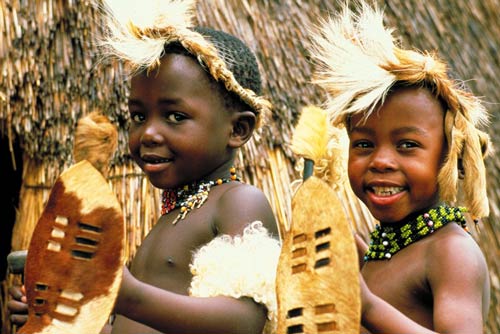
(Image source: Birdnest.org)
Black South Africans are mainly divided into four main ethnic groups: the Nguni, Sotho, Shangaan-Tsonga, and Venda. The Nguni people make up almost two-thirds of the Black population in South Africa and are divided into four unique groups: the Northern and Central Nguni (Zulu-speaking peoples), the Southern Nguni (Xhosa-speaking peoples), the Swazi of Eswatini (formerly Swaziland) and surrounding areas, and the Ndebele of the Northern Province and Mpumalanga. Archaeological evidence suggests that the Bantu-speaking ancestors of the Nguni migrated south from East Africa as early as the eleventh century.
ZULU SPIRITUALITY

Many Zulu people converted to Christianity during the colonial period. However, traditional ancestral beliefs have not disappeared. Instead, a blending of Christianity and indigenous beliefs developed.
Ancestral spirits play a central role in Zulu religious life. Offerings and sacrifices are made to seek protection, good health, and happiness. Ancestors are believed to communicate with the living through dreams, illnesses, and sometimes animals such as snakes. The Zulu also believe in the use of magic, and misfortune—such as illness or bad luck—is often thought to be caused by displeased spirits. In such cases, a traditional healer is consulted to communicate with the ancestors or to use herbal remedies and prayers to restore wellness.
ZULU COMMUNITY
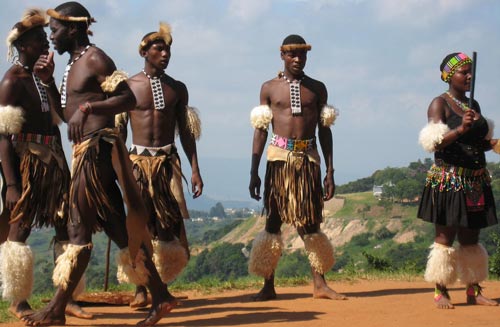
The Zulu place great value on singing and dancing, which promote unity and deepen their sense of identity, especially during important life events such as births, weddings, and funerals. Traditional Zulu dances are usually accompanied by drumming, and men often dress as warriors during performances.
ZULU CULTURE
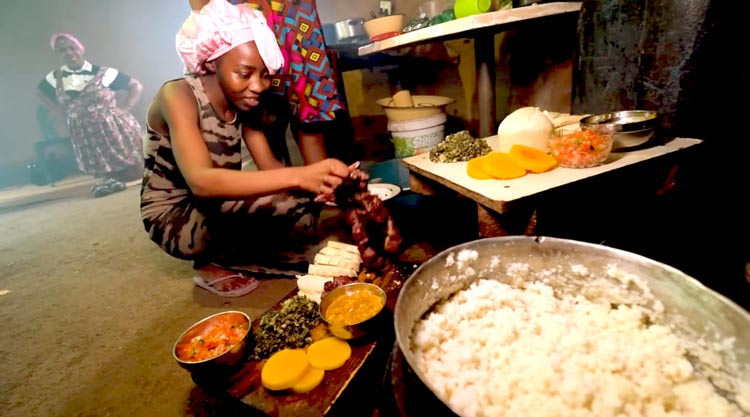
The Zulu word for family (umndeni) refers to all those living in a homestead who are related by blood, marriage, or adoption. According to Sahistory.org.za, sharing food and drink from the same plate or cup has long been a sign of friendship and unity. Traditionally, children eat together from a large dish, reflecting the belief in sharing what one has, which is a core principle of the ubuntu philosophy.
ZULU TRIBE & PEOPLE PHOTOS
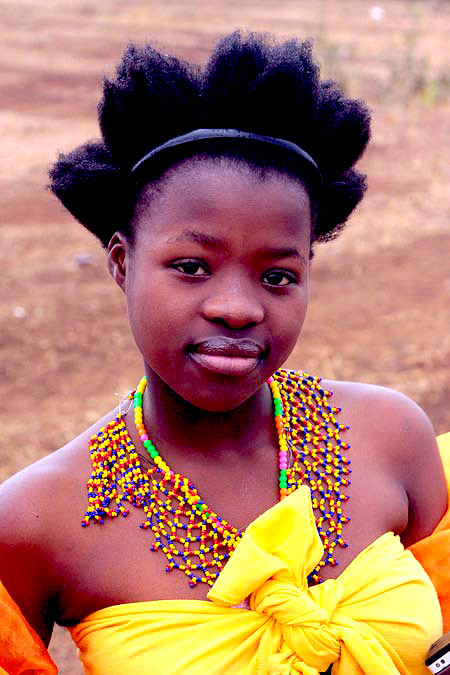
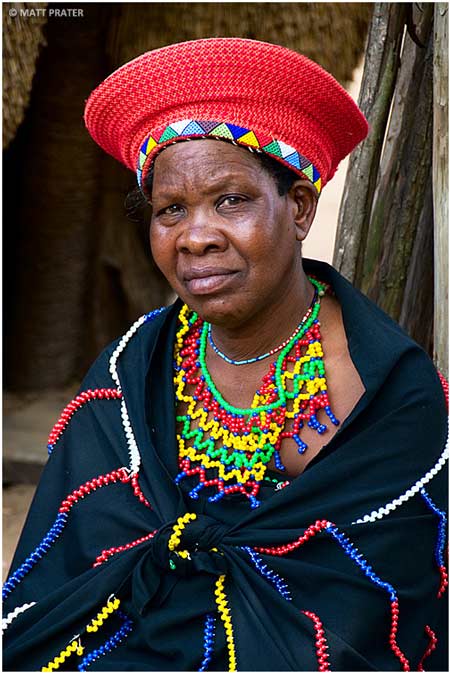
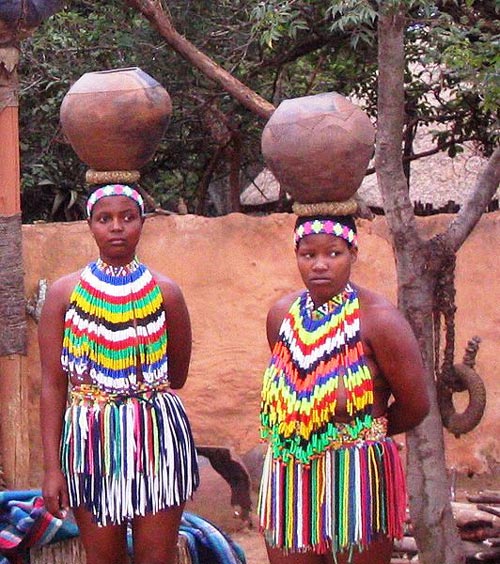
Zulu colours are most vividly portrayed in the traditional dress and distinctive sense of style of Zulu women.