Nepal is a landlocked country in South Asia, located between India and Tibet. It is home to Mount Everest, the world’s highest mountain, and is renowned for its breathtaking Himalayan landscapes, rich cultural heritage, and diverse wildlife.
Nepal has a population of around 31.5 million (July 2015 est.).
Nepali is the country’s official language, although English is widely used in tourism, business, and some public institutions.
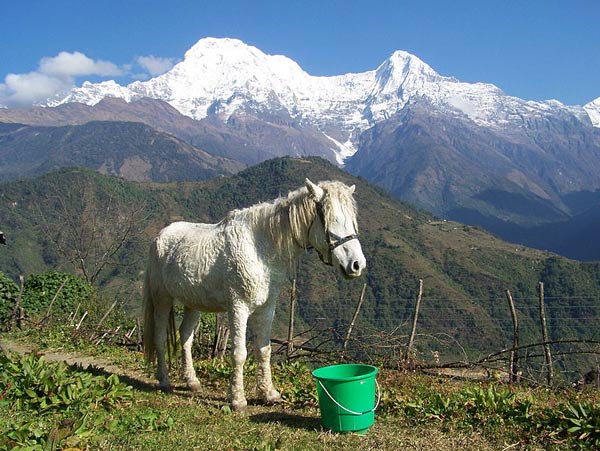
Mount Everest, known locally as Sagarmatha, meaning “Forehead of the Sky”, rises to 8,848.86 metres (29,031.7 feet) above sea level.
The mountain was named Everest in 1863 after British surveyor Sir George Everest.
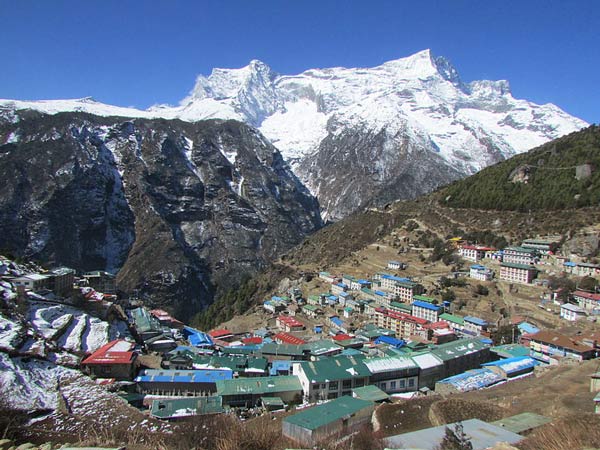
Close to three quarters (around 64%) of Nepal is covered by mountains, making the country a major destination for trekkers, climbers, and adventure travelers.
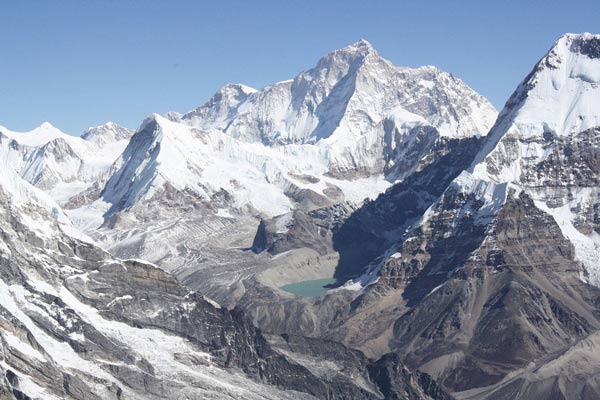
Nepal is home to eight of the world’s fourteen mountains higher than 8,000 metres.
Mera Peak in the northeastern part of Nepal is one of the country’s most popular trekking peaks.
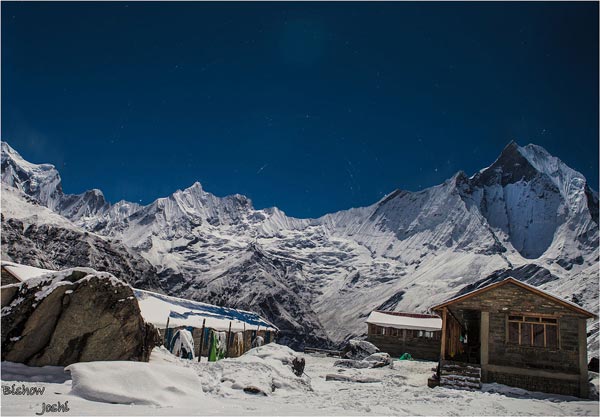
Beyond its mountains, Nepal is rich in forests, grasslands, wetlands, and wildlife.
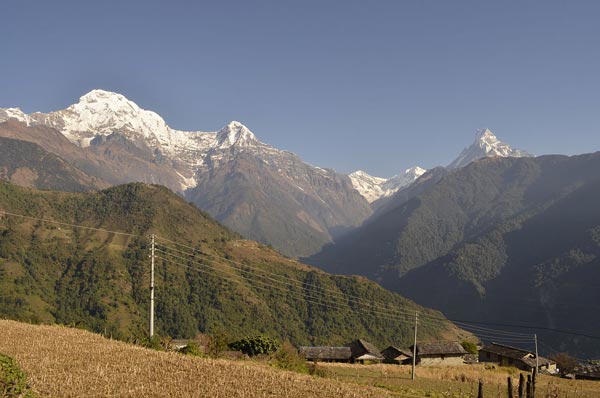
The country has abundant natural resources, including water, timber, fertile soil, minerals, and significant hydropower potential.
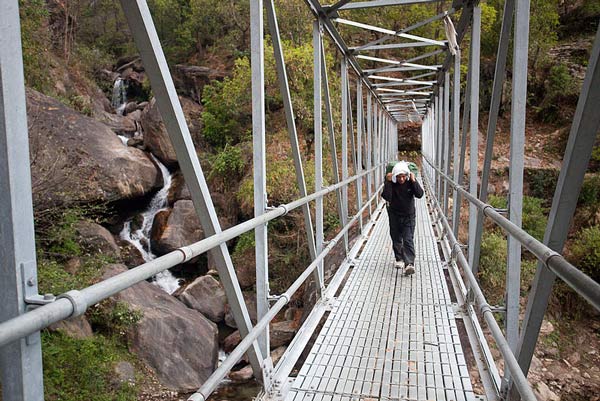
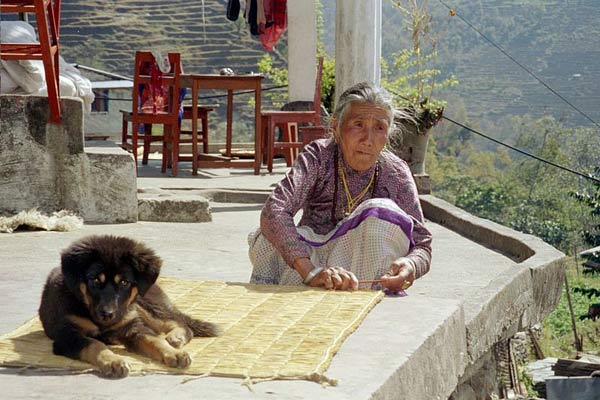
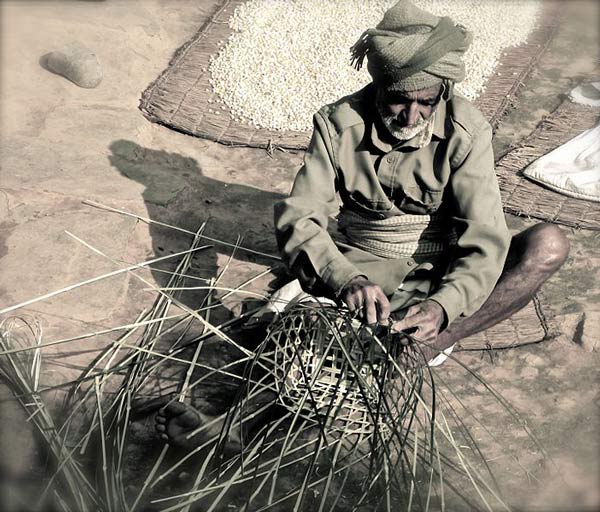
Agriculture remains an important part of Nepal’s economy and provides livelihoods for a large share of the population. Farmers grow rice, maize, millet, wheat, sugarcane, and vegetables, while many also raise livestock such as cows, chickens, and goats.
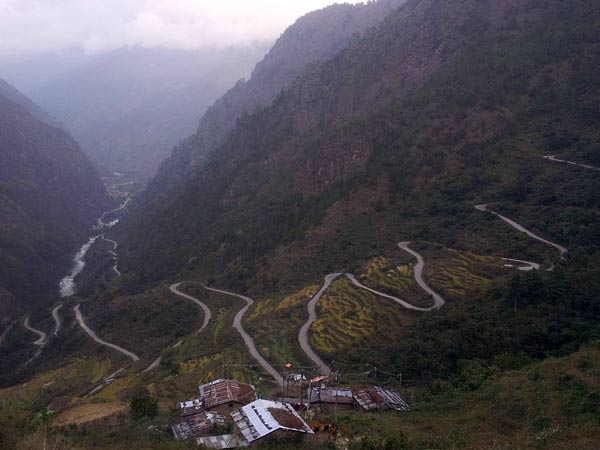
The Nepali rely on trees for many of their everyday energy needs, including heating and cooking. As a result, conservation remains an important concern, particularly regarding forests and the sustainable use of natural resources.
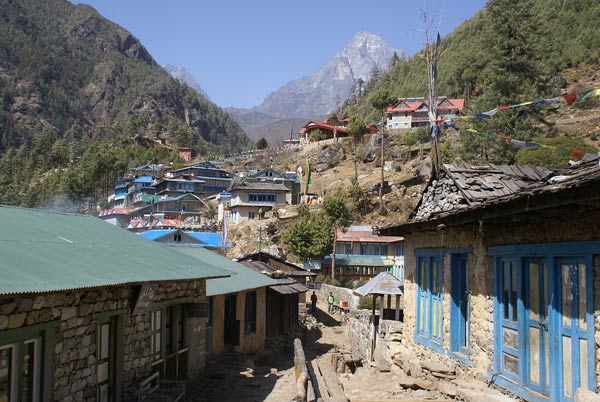
Nepal has also experienced rapid growth in mobile communication, with cellular networks reaching most of the population (reported at over 80%).
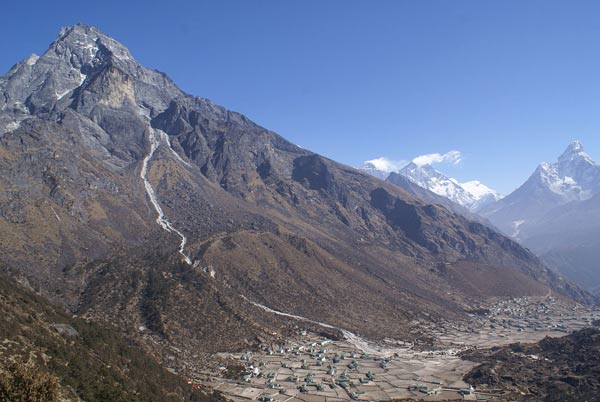
Nepal is home to more than 100 ethnic groups and is culturally and linguistically diverse.
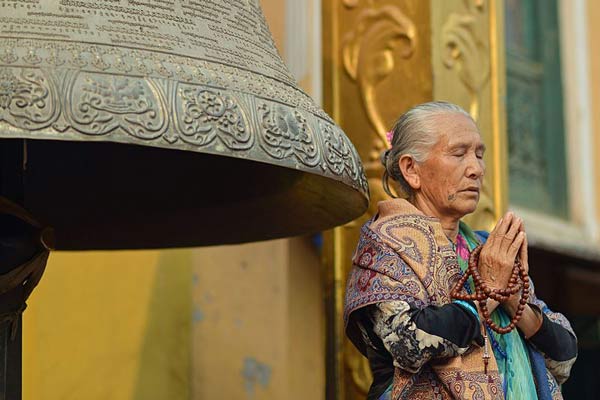
Hinduism is the main religion in the country, followed by Buddhism and other faiths.
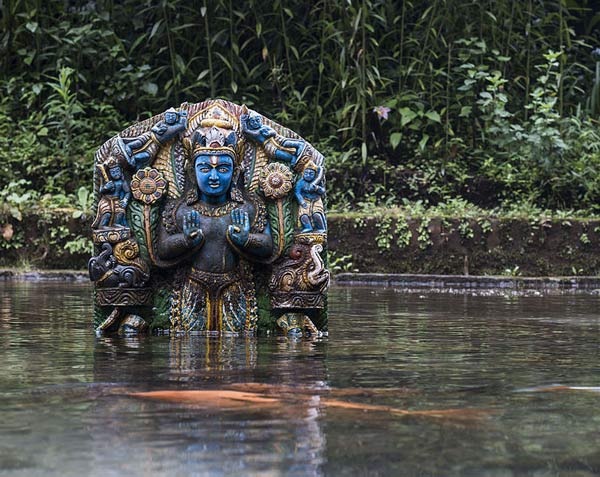
Nepali culture places great importance on respect and hospitality.
The head is traditionally regarded as the most sacred part of the body, so touching another person’s head is considered inappropriate.
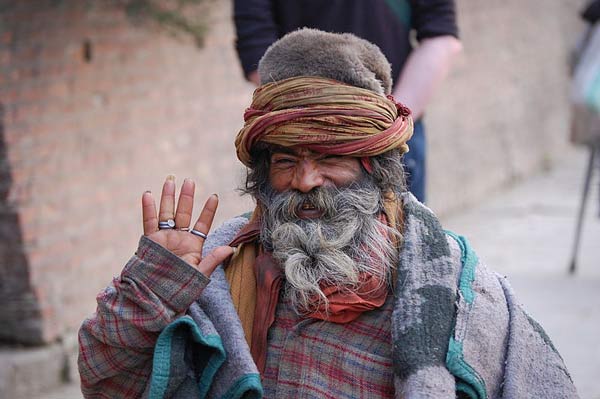
Rather than a handshake, the traditional greeting “Namaste” is commonly used, with the palms placed together in front of the chest.
Tourism is one of Nepal’s most important economic sectors. From the towering Himalayas and ancient temples to national parks and lively communities, Nepal offers an extraordinary combination of adventure, nature, and culture.
Would you visit Nepal? Mount Everest and the Himalayas await!