
As results rolled in following the U.S. midterm elections on November 3, 2026, the high-stakes anticipation was met with a decisive outcome: the Democratic Party had secured major victories, winning control of both the House of Representatives and the Senate.
Surprising analysts and voters alike, this decisive turn in American politics represents a major realignment of the nation’s political landscape. Political analysts are now evaluating the key factors behind the Democrats’ seismic win over Trump’s Republican party.
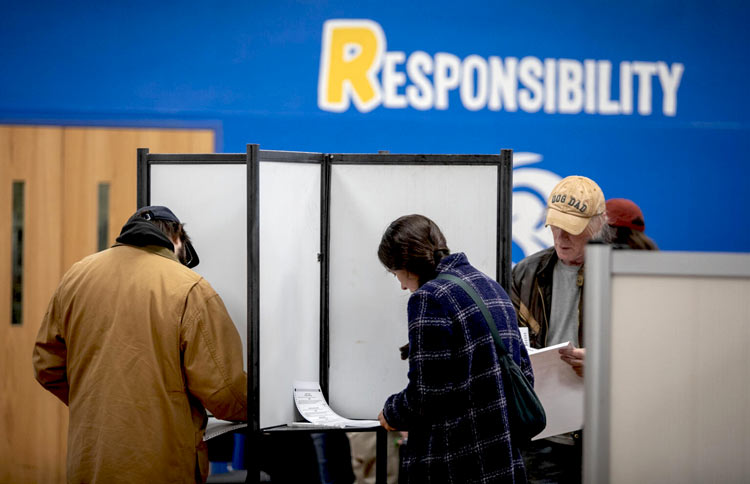
What made the difference
A PBS Newshour report (video below) suggests that voters viewed the midterm election as a referendum on President Donald Trump and his administration, particularly their handling of the economy. Although rising prices, inflation, and higher gas costs were major concerns, voters were not simply expressing general economic frustration; many directly blamed Trump’s policies for their financial difficulties. According to the exit poll, 63% of voters believed Trump’s policies were responsible for higher prices.

The report also highlights growing dissatisfaction with the president’s priorities: 64% of voters felt he was not focused on the issues that mattered to them, while 62% believed he prioritized his own interests over those of the country.
His attention to personal projects and the war in Iran, rather than reducing living costs and addressing domestic concerns, reinforced the perception that he has lost touch with ordinary Americans and failed to deliver on his campaign promises.
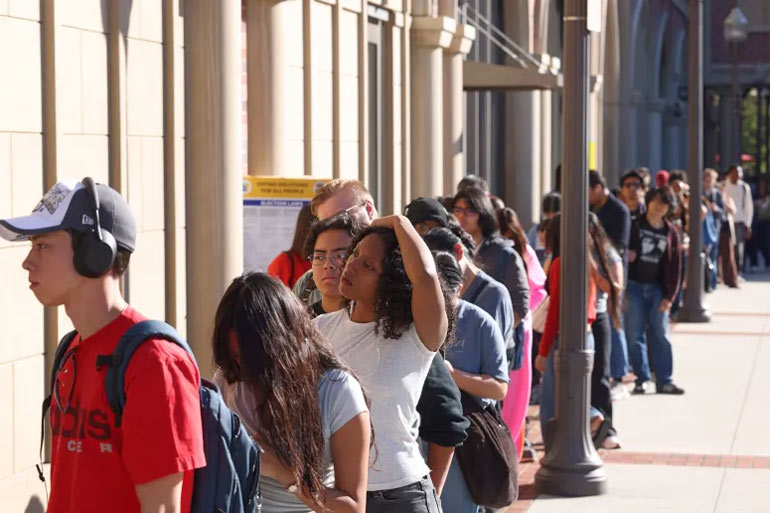
The report also reveals that Republicans struggled to maintain the diverse coalition that helped Trump win the 2024 presidential election. Latino voters and younger voters, particularly young men and young men of color, shifted significantly toward the Democrats. For example, Democrats increased their support among Latino voters, while voters aged 18–29 who had narrowly favored Kamala Harris in 2024 gave Democrats a much stronger share of their votes in this election.
Overall, it appears that dissatisfaction with Trump’s policies, economic conditions, and political priorities weakened Republican support among key voter groups.
WATCH PBS NEWSHOUR MIDTERMS REPORT
The emphatic shift toward the Democrats is a strong indication that voters were holding the president and his party accountable. Sending a clear message that economic concerns, perceived leadership failures, and a sense of broken campaign promises matter to everyday Americans.


