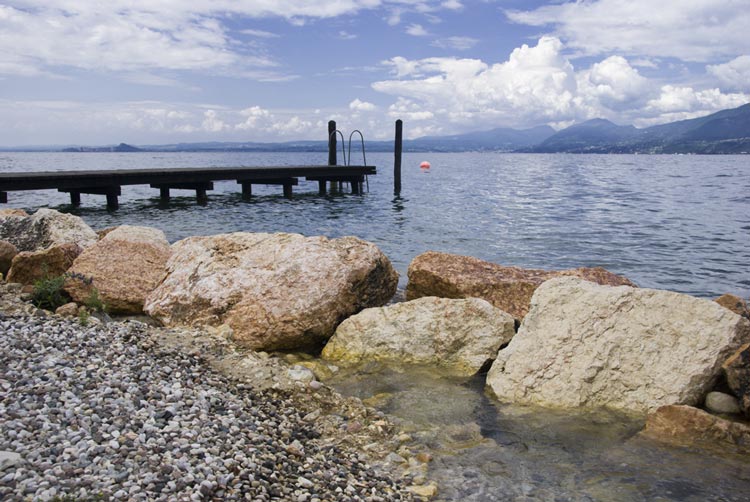
Lugu Lake is a scenic body of water located in southwestern China, spanning the Yunnan and Sichuan provinces.
Surrounded by lush forests, rolling hills, and mountains, the Lugu Lake region is rich in natural beauty, and is known for its traditionally organic culture and well-preserved way of life.
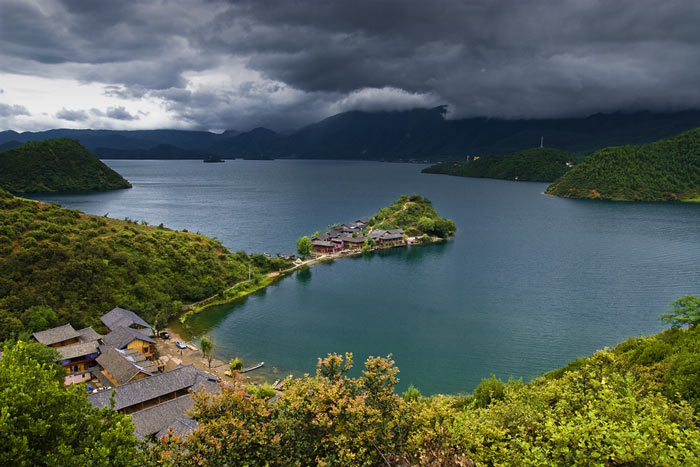
Lugu Lake covers approximately 60 square kilometers (about 15,000 acres), offering inhabitants and visitors an opportunity to experience some of the most unspoiled and culturally fascinating landscapes in the region.
Visitors are drawn from surrounding bustling cities to the peaceful, culturally preserved villages around Lugu Lake, where traditional customs and attire remain an important part of daily life.
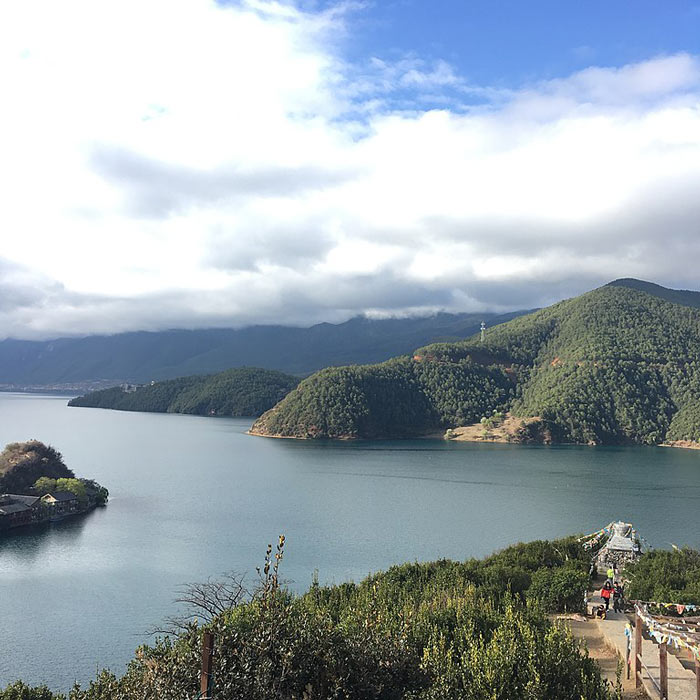
The area features breathtaking landscapes, ancient Buddhist temples and monasteries, historical relics, symbolic structures, and welcoming people. Visitors can also explore expansive farmlands, diverse wildlife and plant life, clear lakes and rivers, parks, gorges, and many other natural and cultural attractions
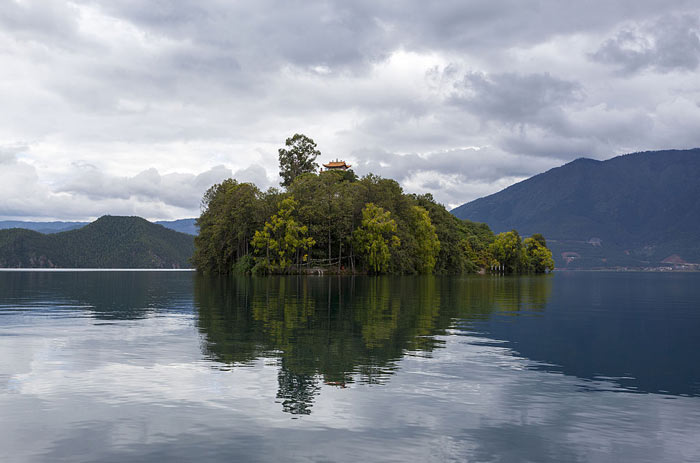
Lugu Lake is home to five islands.
Heiwawu Island, Liwubi Island, and Lige Island are among the most popular and populated, while Nixi Island is the smallest.
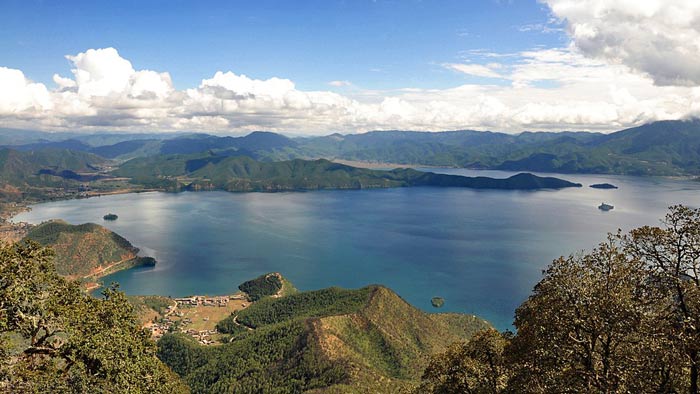
Unlike many popular travel destinations that are best visited during particular seasons, Lugu Lake can be enjoyed year-round. March and October, however, tend to attract the greatest number of visitors.
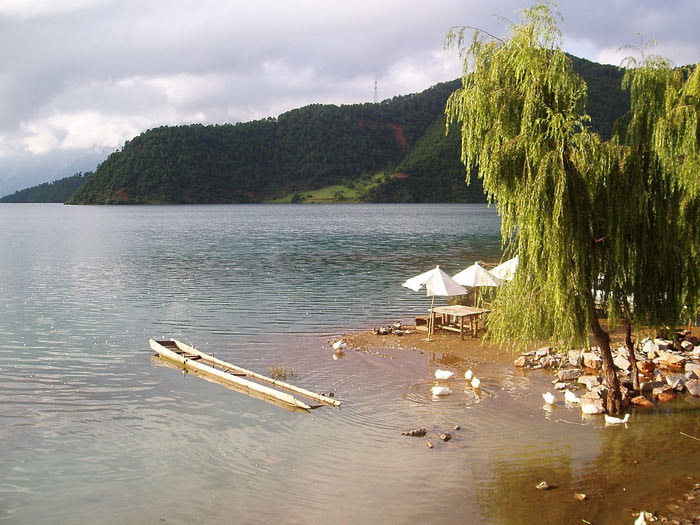
The Lugu Lake region is home to several ethnic groups, with the Mosuo people being the most populous.
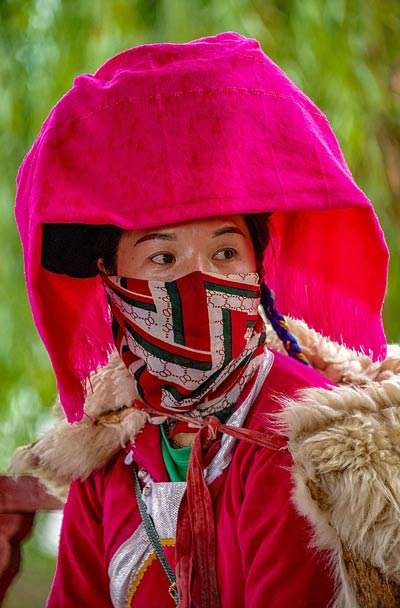
The Mosuo are particularly well known for their distinctive matriarchal social structure and cultural traditions, which are explored in the following documentary.
THE MOSUO WAY OF LIFE
The people of Lugu Lake deserve recognition for upholding the authenticity of their culture, traditions, and beautiful surroundings. The preservation of their distinctive lifestyle highlights the importance of safeguarding cultural heritage and originality. Would you visit Lugu Lake?