Slovakia, a picturesque landlocked country in Central Europe, may be modest in size, but it boasts a rich cultural heritage, diverse landscapes, and an inviting spirit.
Home to approximately 5.6 million people (2024 est.), Slovakia covers an area that is roughly one and a half times the U.S. state of Maryland’s land area, according to the CIA World Factbook.
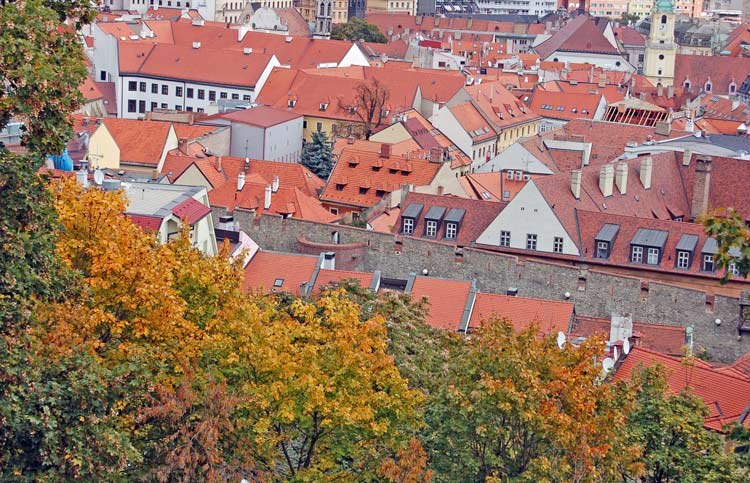
Bratislava, the capital of Slovakia, is uniquely situated near the borders of Austria and Hungary, making it one of the few national capitals in the world located so close to neighboring countries.
A Country at the Heart of Europe
Geographically, Slovakia lies at the heart of Europe—a crossroads where East meets West.
Its central location has made it a hub of trade, migration, and cultural exchange for centuries. Today, this rich blend of influences is reflected in the country’s architecture, cuisine, music, and customs.
Yet Slovakia is perhaps best known for its spectacular natural beauty.
The High Tatras, part of the Carpathian mountain range, dominate the country’s northern landscape and draw hikers, skiers, and nature enthusiasts year-round.
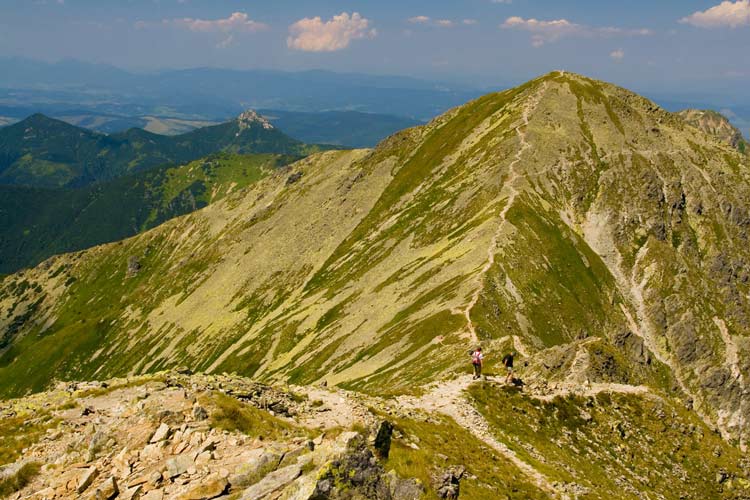
Slovakia is also home to more than 6,000 caves, numerous national parks, and dramatic gorges, including those found in the famous Slovak Paradise National Park.
Together, these natural attractions make the country an ideal destination for ecotourism and outdoor adventure.
A Living History
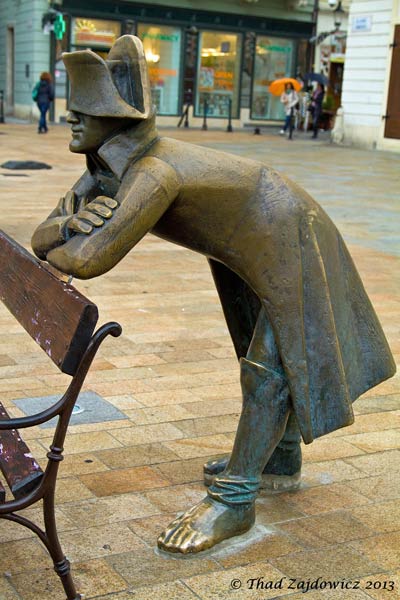
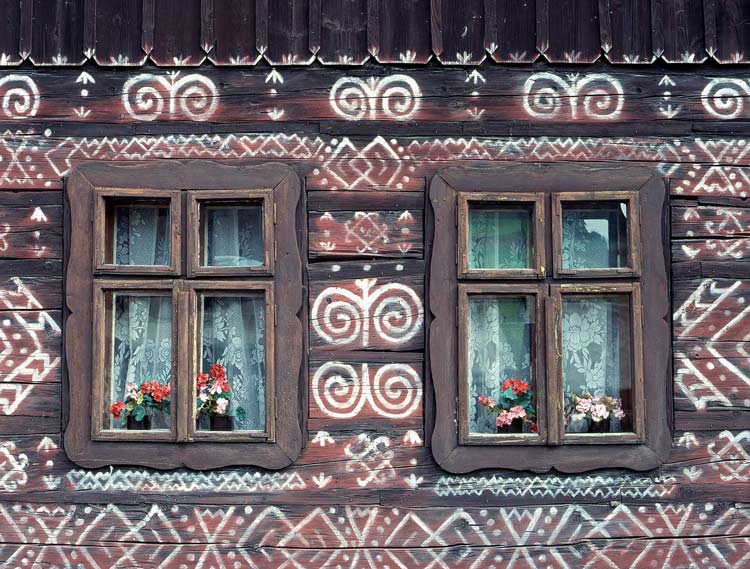
Slovakia’s history stretches back thousands of years, from ancient Celtic settlements to the medieval Kingdom of Hungary and, later, the Austro-Hungarian Empire. In the 20th century, Slovakia became part of Czechoslovakia before gaining independence in 1993.
This rich historical legacy is evident throughout the country, particularly in its diverse architecture.
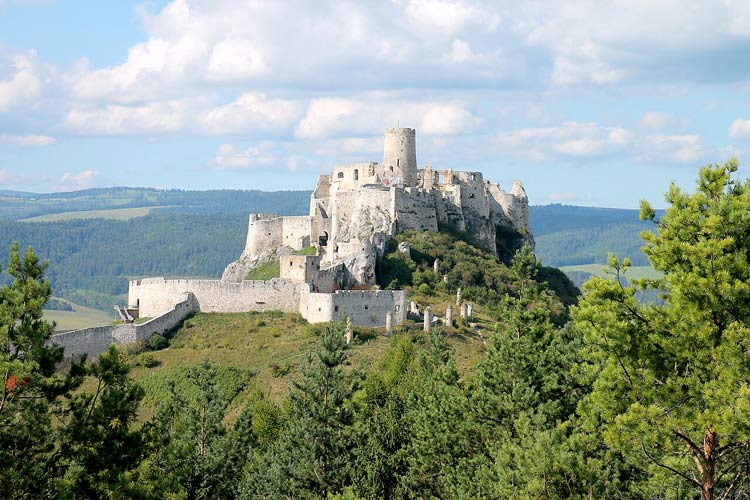
More than 100 ancient castles dot the Slovak countryside, the most famous being Spiš Castle, one of the largest castle complexes in Central Europe.
Historic towns such as Banská Štiavnica and Levoča are home to UNESCO-listed sites and preserve their old-world charm with cobblestone streets, Gothic churches, and Renaissance-era buildings.
A Cultural Mosaic
Slovakia takes pride in its folk traditions, which remain vibrant in both its rural villages and modern cities.
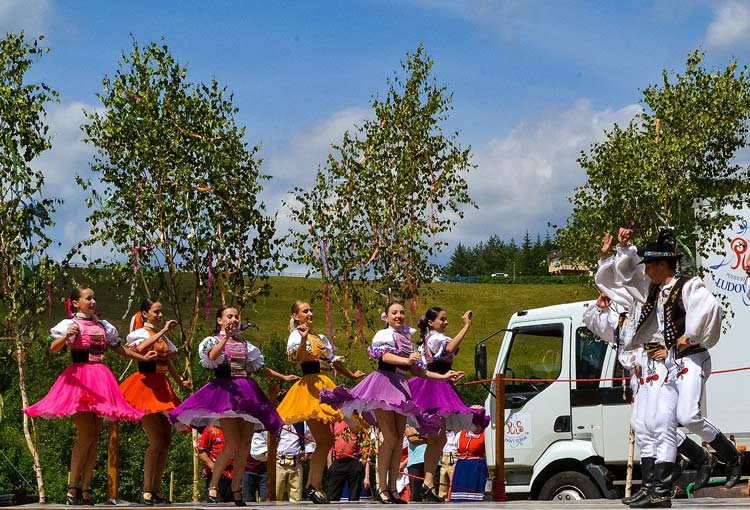
Traditional Slovak music and dance are performed at festivals year-round, often featuring colorful embroidered costumes and age-old instruments like the fujara, a long shepherd’s flute recognized by UNESCO as a cultural treasure.
Slovak cuisine is hearty and flavorful, shaped by the country’s agricultural traditions and the culinary influences of its neighbors. Dishes such as bryndzové halušky (potato dumplings topped with sheep’s cheese and bacon) and kapustnica (cabbage soup) remain beloved staples, offering a taste of Slovakia’s rural heritage.
At the same time, a growing number of modern restaurants are putting contemporary spins on traditional flavors, reflecting Slovakia’s evolving culinary scene.
Warm Hospitality and Modern Comforts
Despite its deep historical roots, Slovakia is far from being stuck in the past. Cities like Bratislava and Košice are vibrant, youthful, and increasingly cosmopolitan.
Bratislava, in particular, seamlessly blends baroque palaces with modern architecture, lively cafés, art galleries, and a thriving nightlife.
Although Slovak is the national language of Slovakia, English is widely spoken in tourist areas, and visitors often praise the warmth and hospitality of the Slovak people.
Whether you’re seeking natural beauty, cultural immersion, or a relaxing getaway, Slovakia delivers a unique and memorable experience.