The Thar Desert is one of Asia’s major deserts, stretching across northwestern India and southeastern Pakistan.
The Thar (also referred to as the Great Indian Desert), is one of the world’s most densely populated deserts. Spanning approximately 200,000 square kilometers (77,000 square miles), it is vast on a regional scale but significantly smaller than continental deserts like the Sahara Desert, which covers about 9.2 million square kilometers (3.6 million square miles), or the Arabian Desert, measuring around 2.3 million square kilometers (890,000 square miles).
The Thar’s landscape is characterized by rolling sand dunes, patches of scrub vegetation, rocky areas, and seasonal riverbeds that change with the seasonal monsoon rains. Temperatures vary greatly, soaring above 45°C (113°F) in the hot summer and dropping to very low levels in the winter.
Despite its harsh climate, the Thar is home to diverse wildlife and vibrant human communities that have adapted to its arid conditions over many years. Millions of people live in its towns and villages across India and Pakistan.
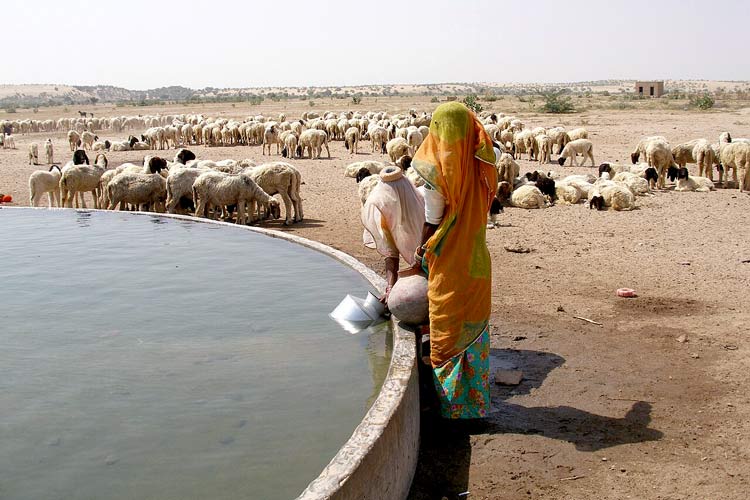
Recent changes in the environment and evolving climate patterns are reshaping the Thar Desert in remarkable ways. Satellite observations and long-term climate data indicate that parts of the region have become progressively greener over the past few decades, showing increased vegetation cover and agricultural expansion.
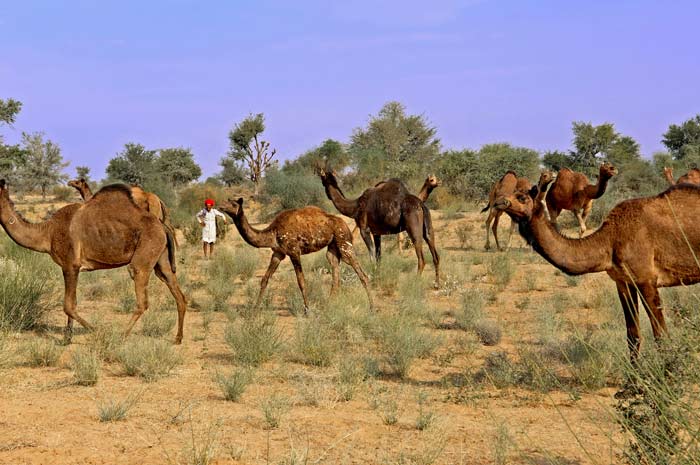
Experts are debating the primary causes of this greening trend. Some attribute it largely to human activity, including irrigation, land-use change, and agricultural intensification. Others point to broader climate change patterns, especially in relation to monsoon dynamics linked to global warming.
While increased vegetation may seem beneficial, it also brings complex ecological issues and questions. Changing habitation patterns create both opportunities and risks, introducing uncertainty for ecosystems and local communities alike.
Watch the following documentary by The Week Magazine, India, exploring “Why India’s Thar Desert is Turning Green”
The greening of the Thar Desert underscores the delicate balance between human activity, changes in climate, and their effects on different populations. It demonstrates that communities and ecosystems change together, reminding us that change is as inevitable and sometimes costly… as it can be uncomfortable and transformative.