How everyday traditions, hospitality, and cultural resilience continue to shape Tunisia’s identity in the twenty-first century.
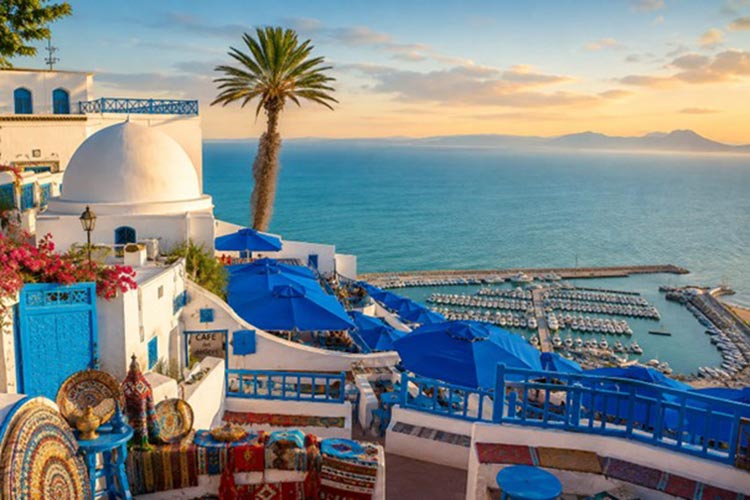
In a world shaped by globalization, digital transformation, and rapid social change, local cultures face unprecedented pressures. Yet culture is far more than a legacy inherited from the past. It is a living force that shapes identity, strengthens social cohesion, encourages creativity, and contributes to sustainable development. Tunisia, where civilizations have met for more than three millennia, demonstrates how cultural diversity can become a source of resilience and innovation. While many visitors associate Tunisia with Carthage or the blue-and-white village of Sidi Bou Said, its true heritage is found in the daily lives of its people—their traditions, craftsmanship, hospitality, music, and shared values.
Situated at the crossroads of Africa, Europe, and the Arab world, Tunisia has been shaped by Amazigh, Phoenician, Roman, Arab-Islamic, Ottoman, and Mediterranean influences. Today, the country is home to nine UNESCO World Heritage Sites, reflecting centuries of cultural exchange and historical continuity (UNESCO World Heritage Centre, n.d.). This rich diversity demonstrates that cultural identity evolves while remaining deeply rooted in history.
Hospitality is perhaps the value that best defines Tunisian society. Welcoming guests with coffee, mint tea, or a home-cooked meal reflects generosity, dignity, and respect rather than wealth. Family ties remain central to everyday life, with generations supporting one another through celebrations and hardships alike. These traditions remind us that culture is expressed not only through monuments but also through everyday acts of kindness and solidarity.
Traditional crafts are another pillar of Tunisia’s living heritage. Handwoven carpets from Kairouan, Sejnane pottery, copper engraving, olive wood carving, and traditional weaving preserve techniques transmitted across generations. Beyond their artistic value, these crafts sustain local economies, empower artisans, and attract visitors seeking authentic cultural experiences (UNESCO, 2018). Their preservation therefore contributes to both economic opportunity and cultural continuity.
Food also reflects Tunisia’s identity. Couscous, recognized by UNESCO as part of the Intangible Cultural Heritage of Humanity, symbolizes family unity, hospitality, and shared memory (UNESCO, 2020). Olive oil, harissa, seafood, dates, and fresh seasonal produce showcase the country’s agricultural richness and Mediterranean character. Around Tunisian tables, meals become opportunities to strengthen family bonds and pass traditions from one generation to the next.
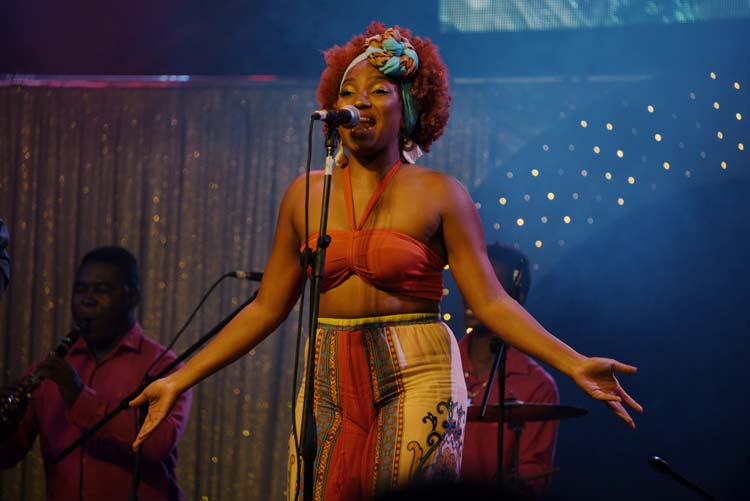
Tunisia’s festivals, music, and oral traditions further enrich its cultural landscape. The International Festival of Carthage, traditional Malouf music, regional celebrations, storytelling, and folk dances continue to connect communities while encouraging intercultural dialogue. These traditions illustrate that heritage remains a living and evolving expression of national identity.
Despite this richness, Tunisia’s cultural heritage faces significant challenges. Urbanization, migration, globalization, and changing lifestyles have weakened the transmission of certain traditions, particularly in rural areas. At the same time, digital technologies offer new opportunities to document oral history, promote local crafts, and introduce Tunisia’s cultural heritage to international audiences. Education also plays a crucial role by integrating local history, arts, and heritage into school curricula, helping younger generations understand the value of their cultural identity.
As a Tunisian researcher, I believe that preserving local culture is not an exercise in nostalgia but an investment in resilience, creativity, and human dignity. A society that values its heritage is better prepared to embrace change without losing its identity. Tunisia’s greatest treasure lies not only in its archaeological sites but also in the generosity of its people, the craftsmanship of its artisans, the melodies of its music, and the traditions that continue to unite communities.
Protecting local culture is therefore a shared responsibility. Governments, educators, researchers, civil society, and citizens all have a role in ensuring that heritage remains a living source of inspiration rather than a forgotten chapter of history. By preserving its cultural identity while confidently engaging with the modern world, Tunisia offers an inspiring example of how tradition and progress can move forward together.
My love for Tunisia is unconditional and unwavering. Every tradition, every story, and every shared value reminds me that my country’s greatest wealth lies not only in its heritage, but in the people who preserve it with dignity, generosity, and hope.
I wholeheartedly invite the world to visit Tunisia, embrace its authentic culture, and create lasting memories among its welcoming people.
 Dr. Sonia Toumia is a Tunisian researcher and journalist holding a PhD in Islamic Studies from Ez-Zitouna University. She is the Coordinator of the Information and Communication Unit at Gifruit and Editor-in-Chief of “Fruits de Tunisie” magazine.