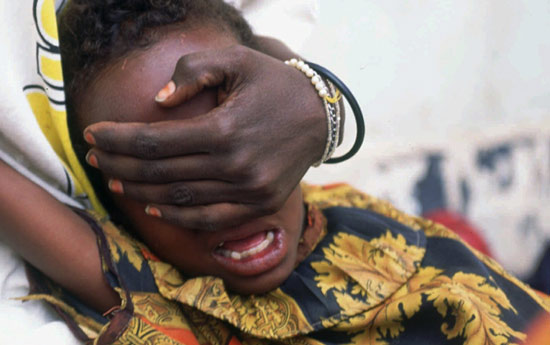
Female Genital Mutilation (FGM), also referred to as Female Genital Cutting (FGC), is defined as “all procedures involving partial or total removal of the female external genitalia or other injury to the female genital organs for non-medical reasons.”
The practice of FGM is rooted in long-standing cultural beliefs, traditions, and social expectations that have been passed down through generations.
Although the extent to which these beliefs are accepted and upheld varies among communities where FGM is practiced, several common reasons are often cited to explain why the practice continues.
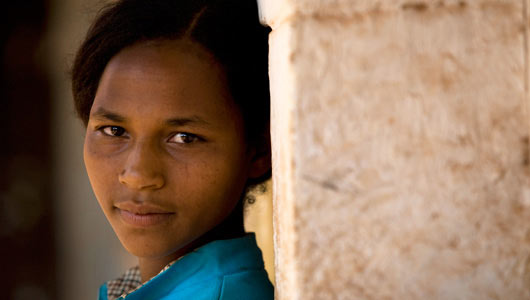
Meaza Garedu, 14, Ethiopia. Meaza was subjected to Female Genital Mutilation FGM when she was 10 years old and now campaigns against the practice. “In my village there is one girl who is younger than I am who has not been cut because I discussed the issue with her parents,” Meaza said. “I told them how much the operation had hurt me, how it had traumatized me and made me not trust my own parents. They decided that they did not want this to happen to their daughter.” (Source: UNICEF)
4 common reasons why Female Genital Mutilation (FGM) is practised
1. A Rite of Passage Into Womanhood.
In some communities, FGM is viewed as a significant transition from childhood to womanhood. The procedure symbolizes maturity, social acceptance, and readiness for adult responsibilities. In countries such as Kenya and Senegal, where FGM has traditionally been associated with rites of passage, cutting may take place during puberty and be accompanied by elaborate ceremonies.
In other communities, however, FGM is performed at a much younger age, sometimes only weeks after birth. Many girls who undergo the practice are under the age of 15.
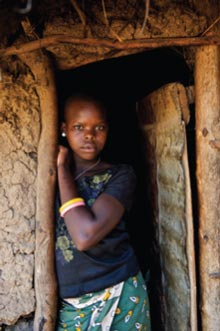
mother-in-law, in Rebu, a village in Tarime district, Mara region, Tanzania. Several months earlier, Boke was subjected to FGM/C (UNICEF photo)
2. Preserving Ideals About Virginity and Marriage.
FGM is also commonly practiced because of beliefs surrounding virginity, purity, and marriageability. Some communities consider cutting a way to ensure that girls remain “untouched” and are viewed as suitable wives and mothers.
These beliefs can contribute to harmful trends such as early child marriage.
In some cases, girls may face severe social consequences if they are believed not to meet expectations of virginity or purity, including public shame and exclusion from their communities.
During my research on FGM, I learned that in some rare situations in the past, when it was found during cutting that a girl’s hymen was no longer intact and she had lost her virginity, she faced not only public shame, she was even stoned.
3. Controlling Female Sexuality and Behavior.
Another reason given for practicing FGM is the belief that it reduces a woman’s sexual desire and helps maintain chastity and “proper” behavior.
In this context, FGM functions as a way of controlling female sexuality and enforcing social expectations about how women should behave.
4. Social and Cultural Pressure.
FGM often continues because it has become a deeply established social norm within communities where it exists.
Because the practice has existed for generations, some families may feel pressure to continue it because their parents, grandparents, and other community members practiced Female Genital Mutilation (FGM).
Since discussions about FGM are often considered private or sensitive, the practice often continues without open conversation or questioning.
Individuals and families who choose not to follow the tradition commonly may face criticism, rejection, or ostracization.
Beliefs surrounding Female Genital Mutilation (FGM)
Shrouded in silence and blinded by tradition, many girls and women who experience FGM never get the chance to understand that they have rights, choices, and alternatives.
Addressing common misconceptions surrounding the practice of Female Genital Mutilation (FGM) among Egyptian woman, Linda Burstyn writes in the Atlantic Magazine:
“Many of the immigrant mothers who are making these decisions about their daughters [whether or not to have them circumcised] know little or nothing about their own anatomy. They are told that if the clitoris is left alone, it will grow and drag on the ground; that if their daughters are left uncircumcised, they will be wild, and will crave men; that no man from their home country will marry them uncircumcised (although many African men say that they prefer uncircumcised women for sex and marriage); that circumcision aids in menstruation and childbirth (although the opposite is true in both cases); and that it is a religious—usually Islamic—requirement (although none of the major Islamic texts calls directly for FGM).”
Education, advocacy, access to reliable information, and open community dialogue can play a crucial role in helping families and communities examine long-held beliefs, reconsider information inherited through generations, and ultimately move away from harmful traditions.
The Consequences of Female Genital Mutilation (FGM)
Female Genital Mutilation has serious and lasting consequences. FGM causes physical harm, emotional trauma, and psychological distress. It is a harmful practice with no medical benefits and is unnecessary.
The effects of FGM can be lifelong, ranging from severe bleeding and difficulty urinating to, in some cases, death. The immediate risks may include intense pain, infection, and complications resulting from the procedure itself.
Over time, survivors may experience a range of health complications, including cysts, recurrent infections, infertility, painful sexual intercourse, and difficulties during childbirth. Some women may suffer reproductive complications that prevent them from bearing children. Beyond the physical effects, many survivors also experience psychological trauma, including anxiety, depression, and distress linked to their experiences.
FGM is often carried out by traditional practitioners, but it may also occur in clinical settings when requested by family members or communities. Performing FGM in a medical environment does not remove the harm or risks associated with the practice.
Read | FGM Ceremony: Pokot Traditional Rite to Womanhood in Photos
According to the United Nations, Female Genital Mutilation (FGM) is most prevalent in 29 countries across Africa and the Middle East. The highest prevalence rates, exceeding 90%, have been recorded in countries such as Somalia, Guinea, Djibouti, and Egypt. In contrast, countries including Cameroon and Uganda report much lower rates, with approximately 1% of girls and women affected by the practice.
Efforts by various humanitarian organizations to end Female Genital Mutilation (FGM), although facing resistance in some communities, have resulted in significant progress in others. Through awareness campaigns, education, advocacy, and community-based interventions, many initiatives have contributed to changing attitudes toward the practice.
A 2013 UNICEF report highlights the differing levels of acceptance of FGM/C across communities. In The Gambia, for example, 82% of girls and women who had undergone FGM/C believed that the practice should continue. Conversely, in Burkina Faso, although 76% of girls and women had experienced FGM/C, only 9% supported its continuation.
The same report also noted encouraging progress, stating that the prevalence of FGM had declined by nearly half among adolescent girls in several countries, including Benin, the Central African Republic, Iraq, Liberia, and Nigeria.
These changes demonstrate that shifts in awareness, social attitudes, and community engagement can contribute significantly to reducing the practice.
The decline in Female Genital Mutilation (FGM) has been attributed to two key factors.
- First, many girls and women who have undergone the practice do not perceive any benefits from it.
- Second, as more mothers become aware that FGM can expose their daughters to serious health risks, including life-threatening complications, they are increasingly willing to reject the practice.
These findings suggest that improving awareness and understanding of the consequences of FGM is a crucial step toward ending the practice.
Watch | FGM Documentary: The Futa in West Africa are saying “NO”
Options exist for women who have undergone FGM. Learn how California based Dr Marci Bowers is helping reverse female genital mutilation (FGM).
Understanding the cultural and social factors that contribute to Female Genital Mutilation (FGM) is important in efforts to address the practice, support affected communities, and promote the rights, health, and well-being of girls and women.
Lema is on Twitter: @LemaAbeng; website: www.lemaabeng.com