“The relocation of key UN agencies from New York to Nairobi represents a bold, historic shift in the architecture of global governance.”
By Rosemary Olive Mbone Enie
Introduction
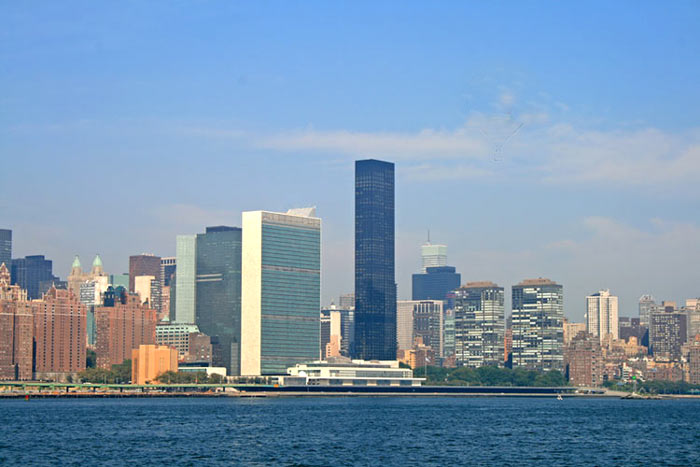
The United Nations’ transition of major global agencies (including UNICEF, UNFPA, and UN Women) from New York-USA to Nairobi-Kenya—part of the UN@80 reform agenda—marks a historic decentralization toward the Global South. This move is celebrated for cutting operational costs, empowering regional diplomacy, and boosting Kenya’s economy, but it has sparked intense debates over logistics, funding, and staff transitions.
The Geopolitical and Strategic Perspective: Reimagining Global Governance
For decades, critics of the United Nations (UN) have argued that the organization’s institutional weight is disproportionately tilted toward the Global North, with New York, Geneva, and Vienna hosting the vast majority of core headquarters. The relocation of the principal global command centers for UNICEF, UN Women, and UNFPA to Nairobi is viewed by geopolitical experts as a vital step in “decolonizing” international governance.
Nairobi is already firmly established as the UN’s premier hub in the developing world, serving as the headquarters for the United Nations Environment Programme (UNEP) and UN-Habitat. By elevating these social, humanitarian, and gender-focused agencies to full headquarters status in East Africa, the United Nations places decision-making power in the exact regions where these organizations execute the bulk of their programmes. This shift acknowledges Africa’s rising influence in global affairs and ensures that diplomatic conversations are directly informed by the realities of the communities these agencies serve.
Economic and Financial Drivers: Pursuing Cost-Effectiveness
A critical, pragmatic driver behind this move is the need to reduce escalating institutional costs. Maintaining extensive global headquarters in Manhattan entails exorbitant real estate, security, and operational overhead. In response to flat or reduced member-state funding, the UN is utilizing this relocation as a cost-saving measure.
The UN complex in Gigiri, Nairobi is undergoing a massive $340 million expansion. This investment not only creates energy-efficient, state-of-the-art workspaces but reflects the long-term financial viability of operating out of a more cost-effective city.
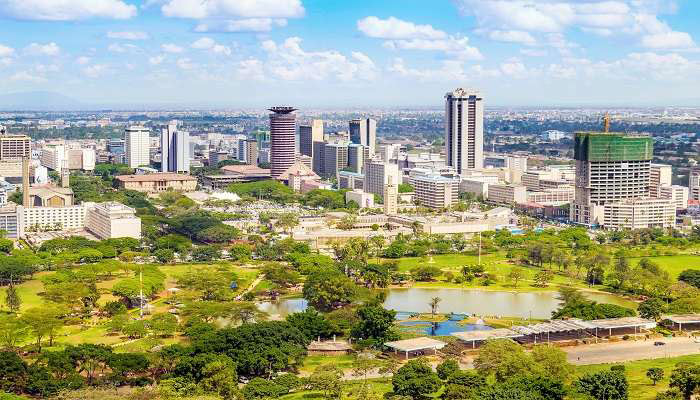
For Kenya, the economic impact is transformative. The relocation is projected to inject over $350 million annually into the local economy, create hundreds of direct United Nations jobs, and stimulate growth across the contracting, hospitality, and service sectors.
Operational Realities and Staff Perspectives
While the macro-level view of the relocation is highly strategic, the internal, human-centric perspective reveals complexities and staff-level apprehensions.
Moving hundreds of personnel and their families from New York to Nairobi entails significant personal disruptions. The shift has ignited debates within UN circles regarding job security, trailing spouse employment, and family adaptation.
Furthermore, while Nairobi offers significantly lower aggregate operational and living costs compared to New York, the transition introduces unique financial burdens. Expatriate UN staff relocating to Kenya face high initial liquidity demands, including steep upfront international school tuition fees, reliance on private healthcare systems, and substantial housing costs in the diplomatic enclaves of Nairobi.
Additionally, UN leadership has occasionally clarified that while decentralization is an active strategy, the specific parameters of these moves are continuously weighed against these operational and staff concerns.
Host Country Integration: The Local View
From the perspective of Nairobi and the broader East African community, the consolidation of United Nations agencies solidifies the city’s reputation as “the capital of the Global South” and an engine for diplomatic innovation. The expansion of the Gigiri campus to host an assembly hall capable of seating 9,000 delegates further positions Nairobi alongside Geneva and New York as a premier venue for multilateral negotiations.
However, the influx of international wealth also highlights the socioeconomic disparities present in the host nation.

Local stakeholders and human rights experts observe the stark contrast between the lavish UN infrastructure and the economic realities of surrounding communities, pressing the UN to ensure that the monumental expansion benefits the broader Kenyan populace and does not simply isolate international bureaucrats in a well-resourced bubble.
Conclusion
The relocation of key UN agencies from New York to Nairobi represents a bold, historic shift in the architecture of global governance. It bridges the gap between organizational headquarters and the populations most affected by humanitarian and developmental crises. While the move poses logistical and financial challenges for the relocating workforce, its potential to decentralize decision-making and economically strengthen East Africa signals a new era for multilateralism.
Rosemary Olive Mbone Enie actively engages with global sustainability frameworks by aligning her grassroots environmental, climate action and gender work with international / United Nations (UN) agendas. As an eco-community builder, renewable energy consultant and leader, she champions localized action tied to sustainable livelihoods and development across Global South countries. She is CEO – BizLinkage SME Global; www.bizlinkage.co.za; [email protected]