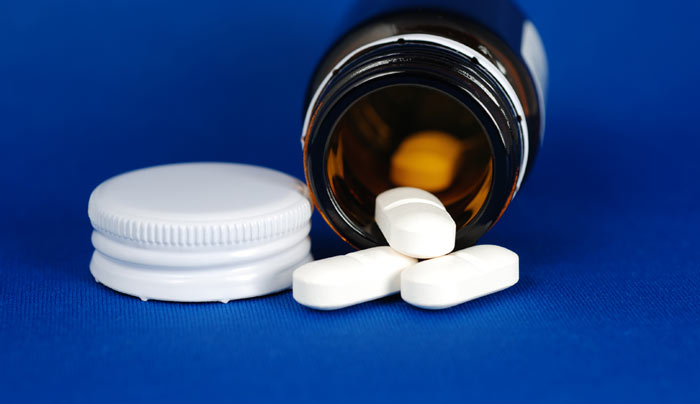
Are unused or expired medications piling up in your medicine cabinet? How do you usually dispose of them? Have you ever considered flushing them down the toilet, pouring them down the sink, or simply tossing them in the trash? Please don’t. According to experts, these disposal methods can be unsafe and harmful to people, communities, and the environment.
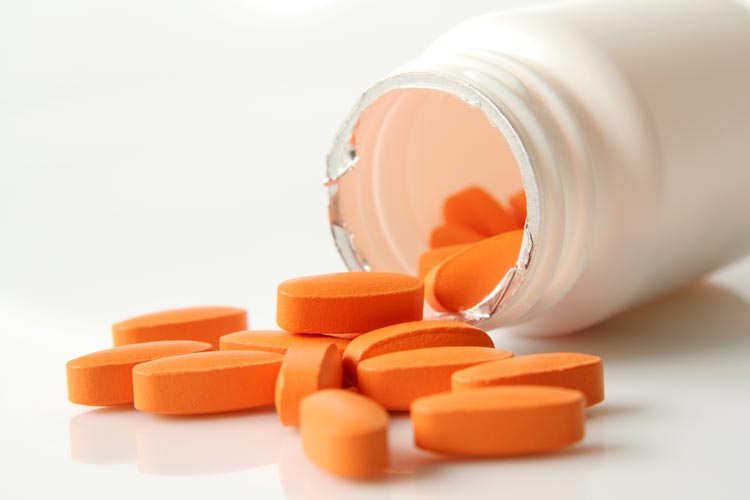
Medications of all kinds can be hazardous materials. When improperly disposed of, they can lead to several serious and unintended consequences, including:
- Increased drug abuse, as individuals may search through trash for unused or discarded medications.
- Risk to children, who may accidentally ingest these potentially dangerous substances.
- Soil contamination, as medications can seep into the ground and potentially affect plants and soil ecosystems.
- Water pollution, when medications enter rivers, lakes, and other waterways, posing risks to fish and wildlife.
- Contamination of drinking water, as studies, including a 2008 report by the Environmental Working Group, have detected traces of prescription drugs in water supplies.
To address these concerns and raise public awareness, the Food and Drug Administration (FDA), in collaboration with the White House, established guidelines in 2007 for the proper disposal of prescription drugs and other medications.
How to Properly Dispose of Drugs and Medicines
- Do not flush medications down the toilet or pour them down the sink unless the drug label or patient information specifically instructs you to do so.
- Use community drug take-back programs whenever possible. Many communities offer drug take-back events or household hazardous-waste collection programs where medications can be safely disposed of. Contact your city or county waste management or recycling service to learn about available options in your area.
- If a take-back program is not available, follow these steps:
i. Remove the medications from their original containers.
ii. Mix the medications with an undesirable substance, such as used coffee grounds or cat litter.
iii. Place the mixture in a disposable container with a lid, such as an empty margarine tub, or in a sealable plastic bag.
iv. Remove or conceal all personal information from empty prescription containers by scratching it off or covering it with tape or a permanent marker.
v. Place the sealed container and empty medication containers in your household trash.
Properly disposing of prescription drugs helps protect your family, your community, and the environment. By taking a few extra steps, you can help prevent pollution, reduce the risk of accidental poisoning, and limit medication misuse.
Be kind to the environment—and to yourself. Help spread the word by sharing this information and encouraging others to dispose of prescription drugs and medications safely.