Guinea-Bissau, with an estimated population of 1.6 million in 2015, is a country in West Africa, with Bissau as its capital. Once associated with the transatlantic slave trade, the country’s historical tapestry has been shaped by more than 20 ethnic groups, each contributing to its cultural heritage and identity.
The pictures below provide a look at everyday life in Guinea-Bissau during the 1970s. Roel Coutinho, a Dutch doctor, took and shared these images while he worked in the country during that time. His photographs offer a valuable glimpse into the lives, communities, and daily experiences of the people back then.
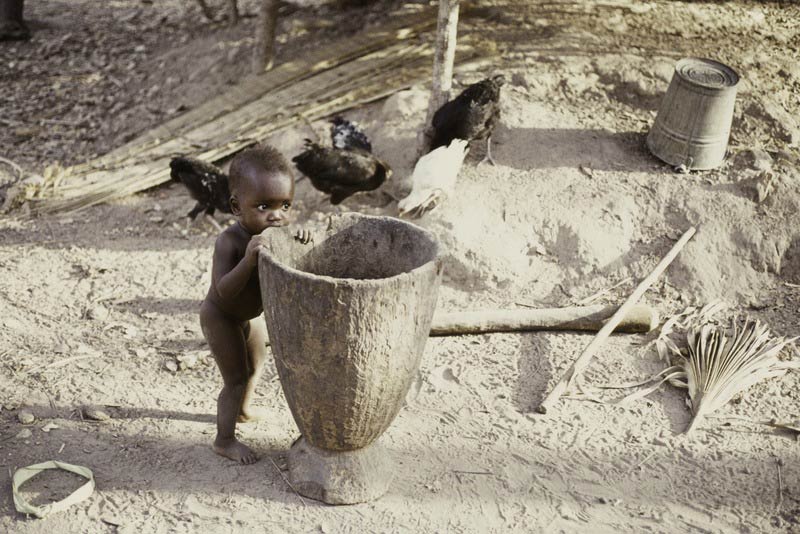
Child in Canjambari village (1974)
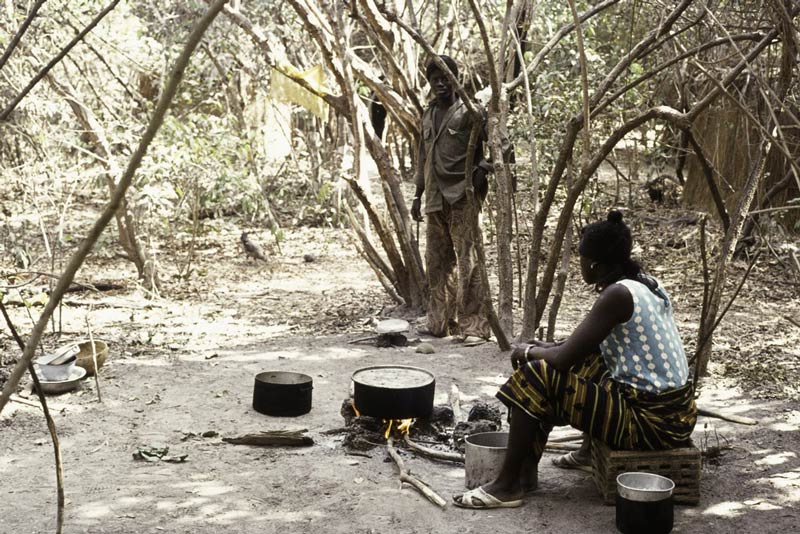
Woman cooking (1974)
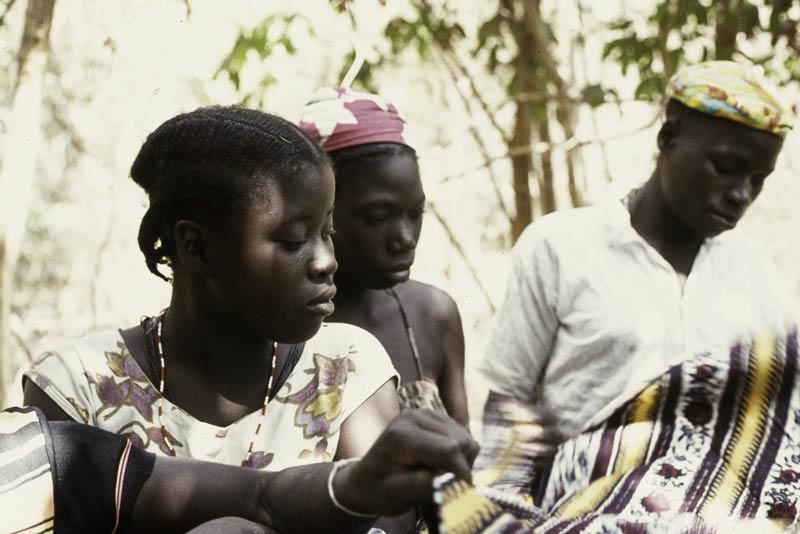
People’s shop in Sara. Woman touching the tissues [fabrics]; Sara (1974)
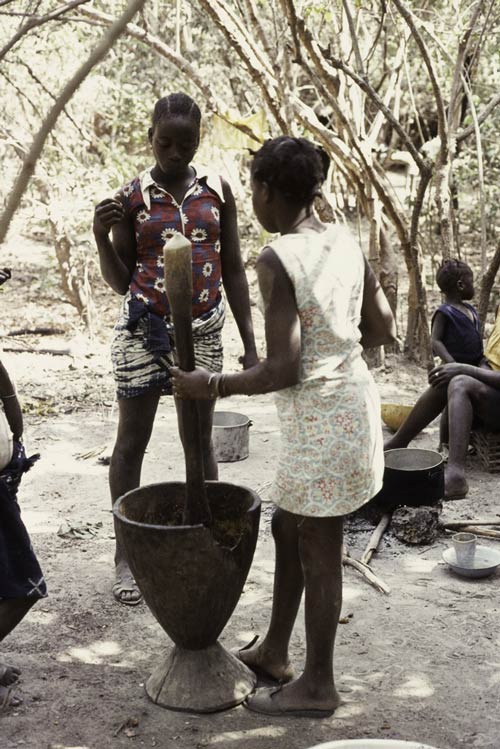
Women preparing food, pounding rice? Sara (1974)
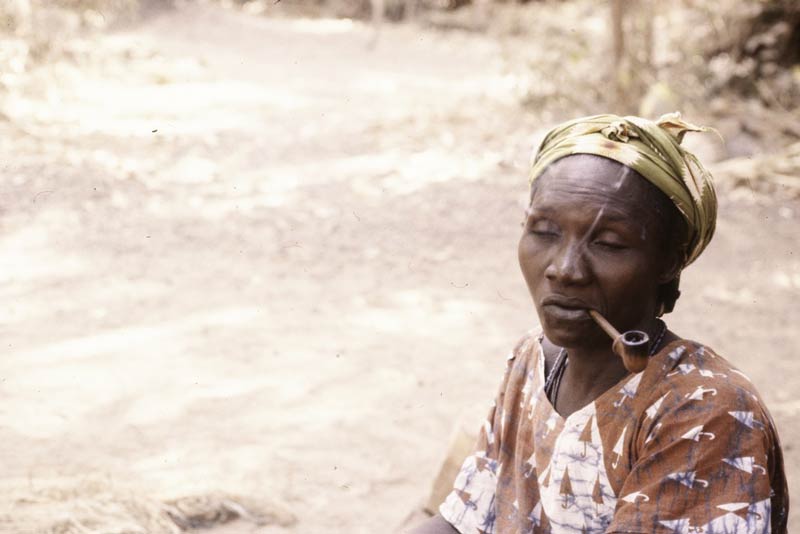
Woman smoking a pipe in Sara (1974)
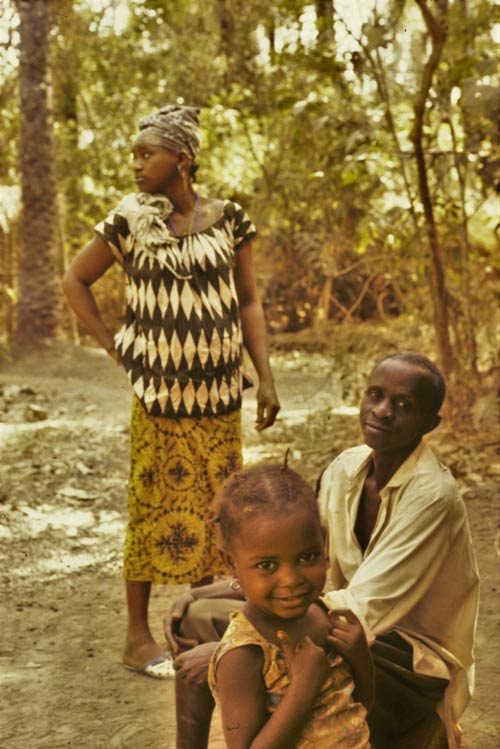
Woman, man and child; Hermangono (1974)
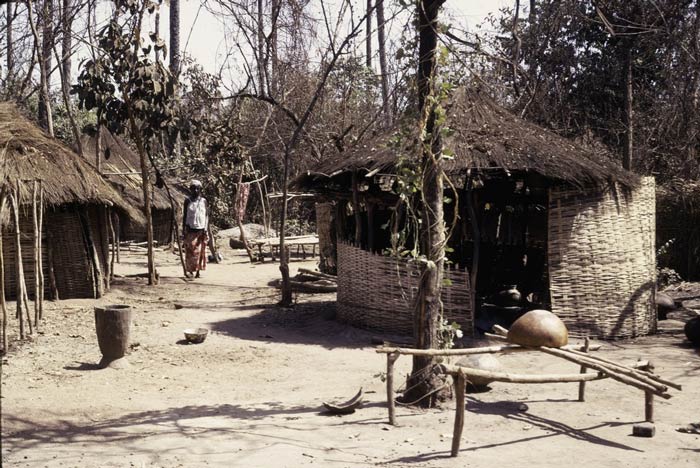
Canjambari village (1974)
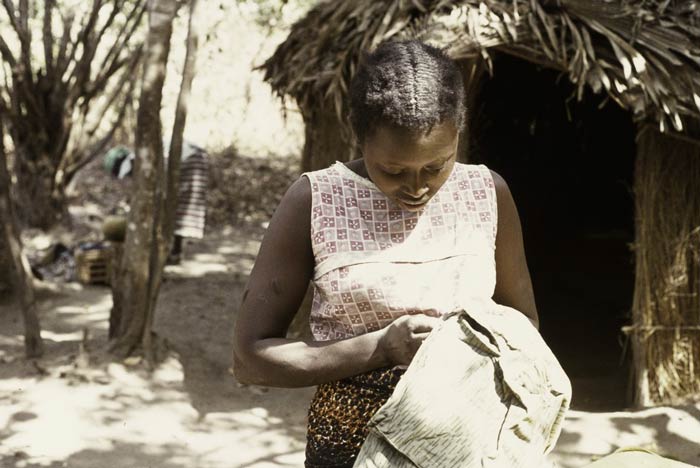
Woman sewing (1974)
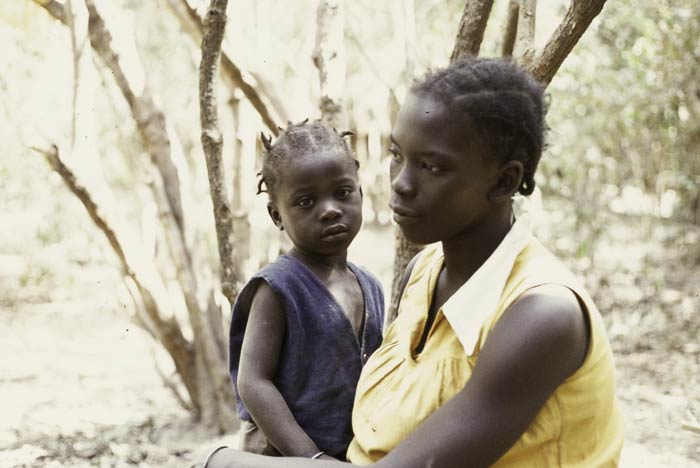
Woman with child (1974)
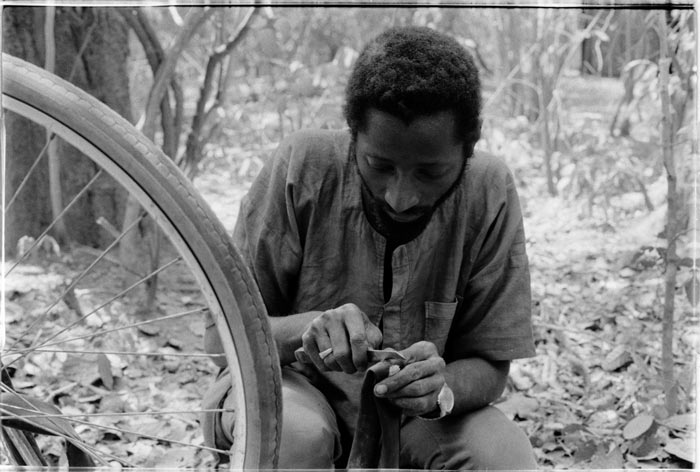
Mending bicycle tires donated by Norway, Sara (1974)
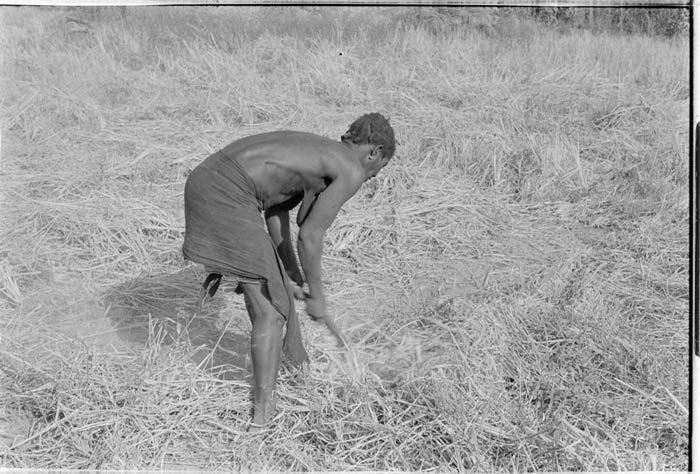
Woman cultivating field (1974)
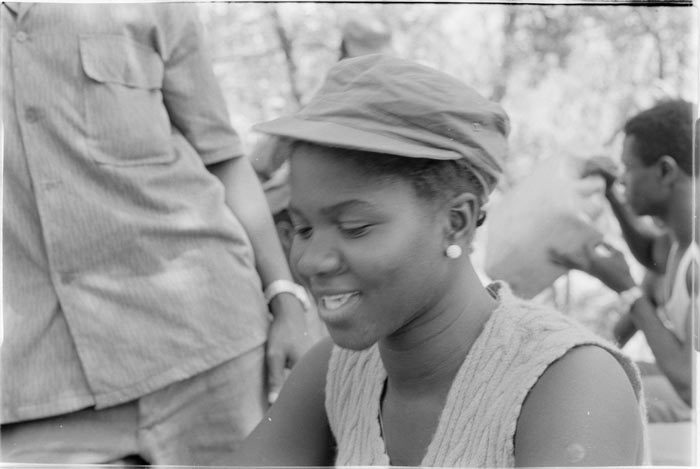
Medical consultation in Campada college. Female PAIGC soldier playing cards (1974)
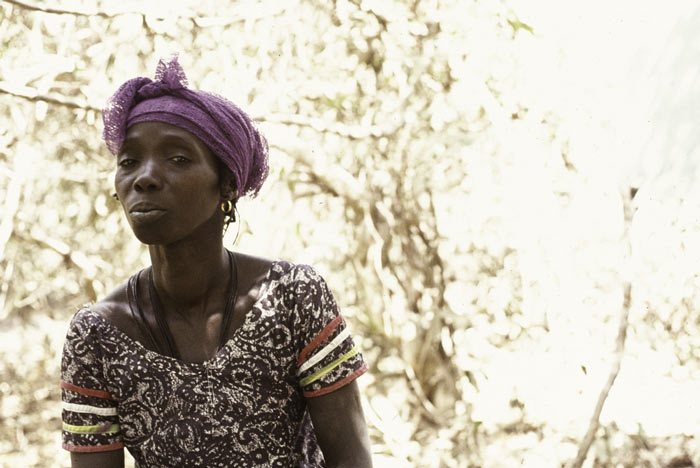
Woman somewhere in the northern frontline; Hermangono (1974)
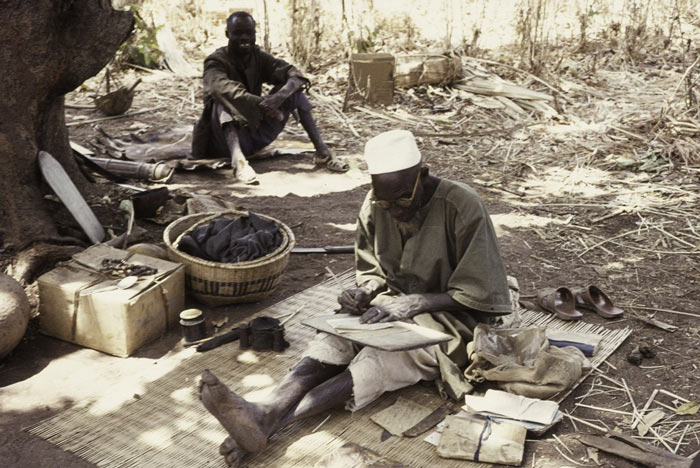
Imam takes care of a leper, Sara (1974)
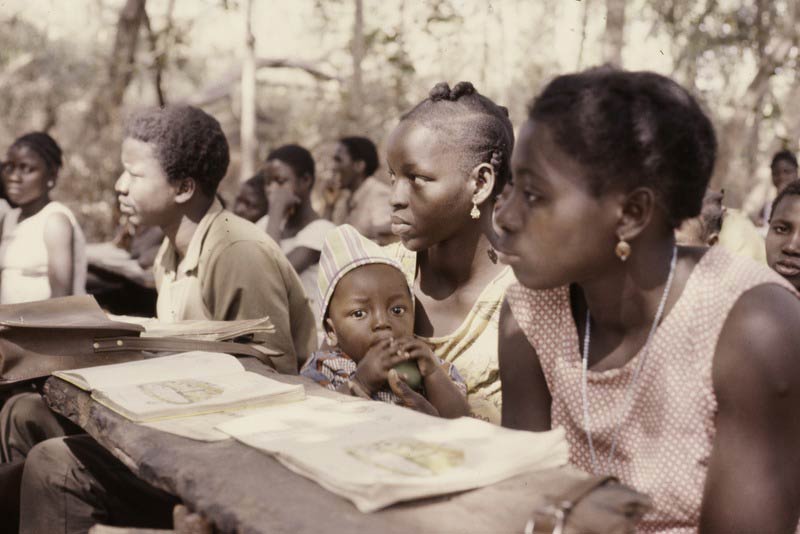
Woman with child at school; Farim (1974)
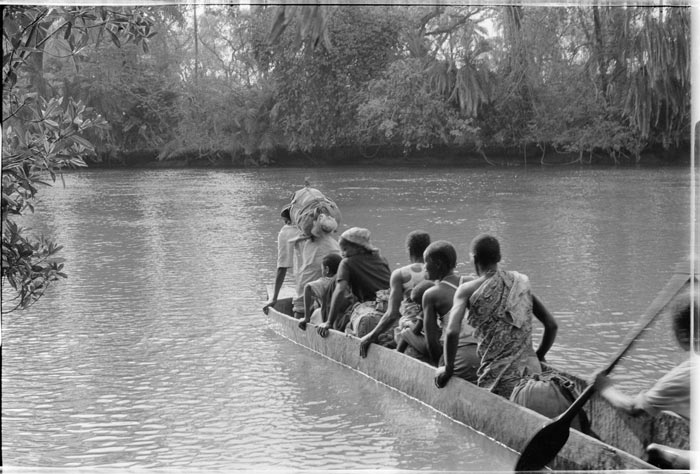
Canoeing across the river, Canjambari (1973)
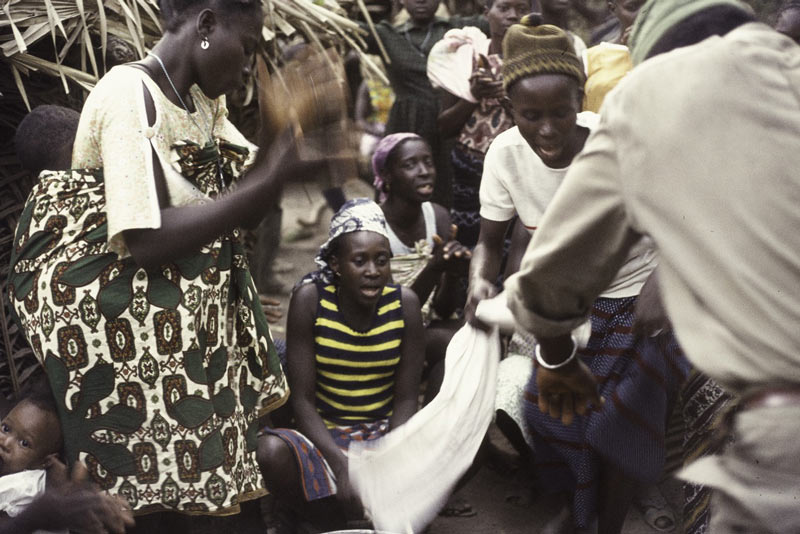
Dancing with soldiers, Canjambari (1974)
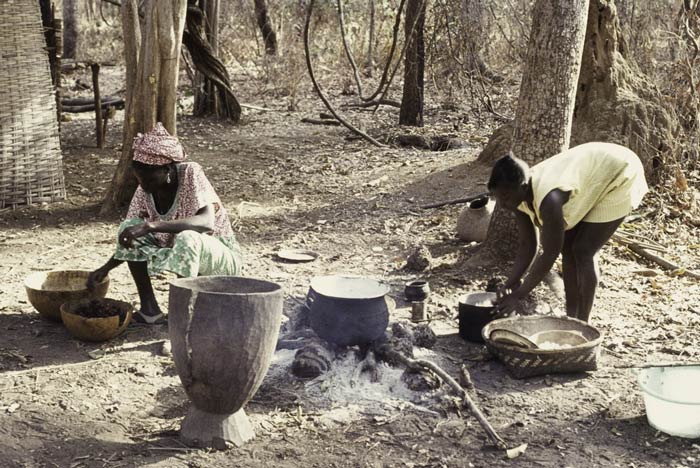
Family cooking (1974)
Join mailing list for updates and monthly newsletters