At the 48th meeting of the World Heritage Committee in Busan, South Korea taking place this year (2026), South Sudan has made history by becoming one of three African and Small Island Developing States (SIDS) to secure a first-ever inscription on the UNESCO World Heritage List.
The country’s Boma–Badingilo Migratory Landscape was officially added to the prestigious list of world heritage sites, marking a landmark achievement for South Sudan and global conservation.
The Boma–Badingilo Area
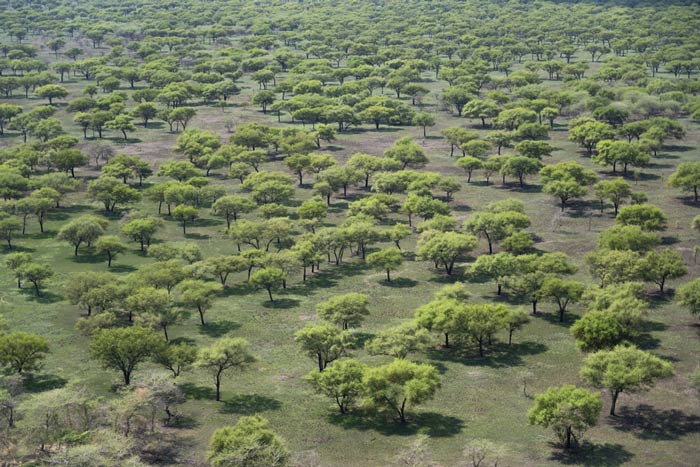
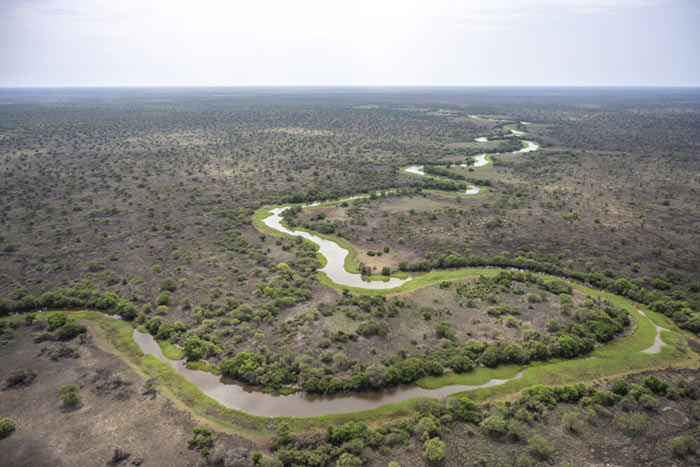
Encompassing Boma National Park, Badingilo National Park, and the surrounding floodplains and savannas of South Sudan, the Boma–Badingilo Migratory Landscape lies where the Sudd wetlands meet the East Sudanian Savanna, creating a vast, spectacular composition of grasslands, wetlands, woodlands, and open savannas.
Significance of The Boma–Badingilo Migratory Landscape
The Boma–Badingilo Migratory Landscape provides a critical habitat for a wide range of wildlife, including the African Savanna Elephant, African Wild Dog, Lion, Leopard, Northeastern African Cheetah, Beisa Oryx, and Nile Lechwe. It also supports a rich diversity of resident and migratory bird species, underscoring its importance as one of the African continent’s most significant biodiversity strongholds.
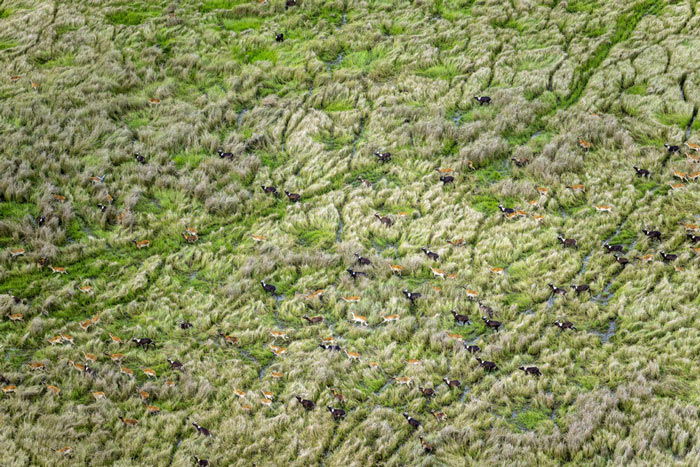
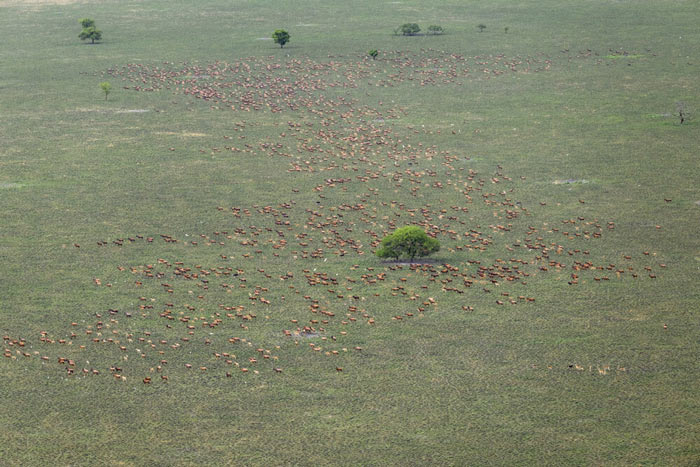
The Boma–Badingilo landscape is also a stage for one of the largest remaining terrestrial mammal migrations in the world. Each year, an estimated six million antelopes (including White-eared Kob, Tiang, and Mongalla Gazelle) traverse the region in response to seasonal rainfall and flood cycles.
For centuries, human communities such as the Murle, Dinka, Nuer, Anyuak, Toposa, and other communities have maintained an intrinsic connection to the Boma–Badingilo ecosystem through herding, farming, and fishing traditions, contributing to the long-term stewardship of the region.
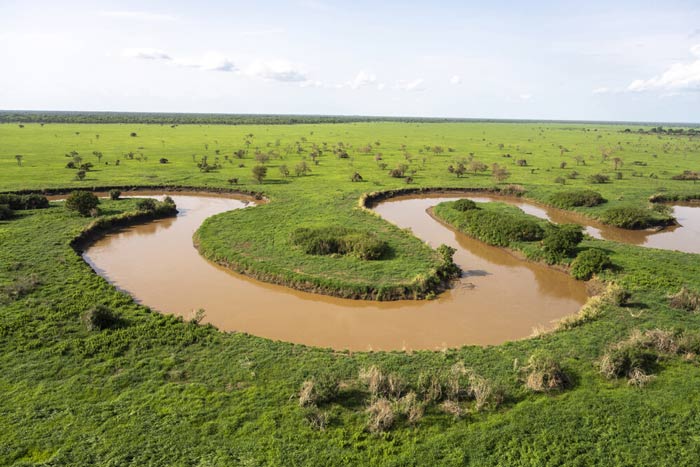
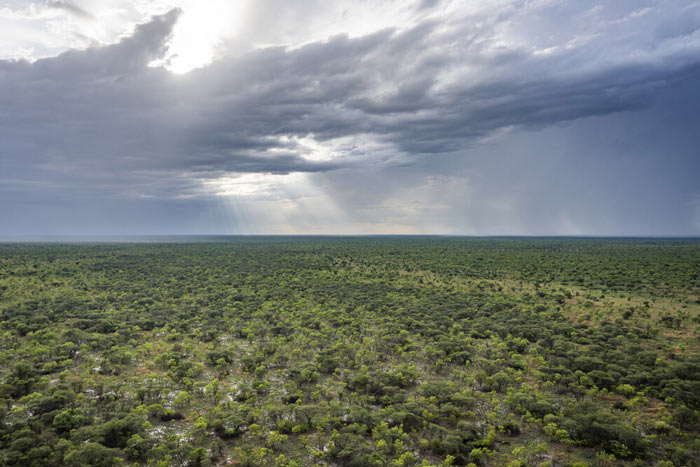
The UNESCO designation acknowledges the Boma–Badingilo Migratory Landscape’s ecological connectivity, cultural importance, the property’s exceptional scale, habitat diversity, and relative intactness. These are qualities that have become increasingly rare worldwide.