Wild animals in their natural habitats offer a captivating glimpse into a world of remarkable beauty and diversity.
Whether they are wild, domesticated, farm animals, or household pets, mammals display a variety of appearances, behaviors, and characteristics that make each species unique.
Enjoy these fascinating facts and photos of some of the world’s best-known mammals.
CAMELS

Camels rank among the most exceptional animals on earth.
Camels are desert animals which withstand extreme dry and hot conditions. These mammals can go for several weeks without water. But when the time comes to fill up their water tanks, camels can drink as much as 53 gallons (201 liters) of water in minutes.
Camels typically grow to 6.5 feet (2m) in height, and can weigh up to 1,325 pounds (600kg).
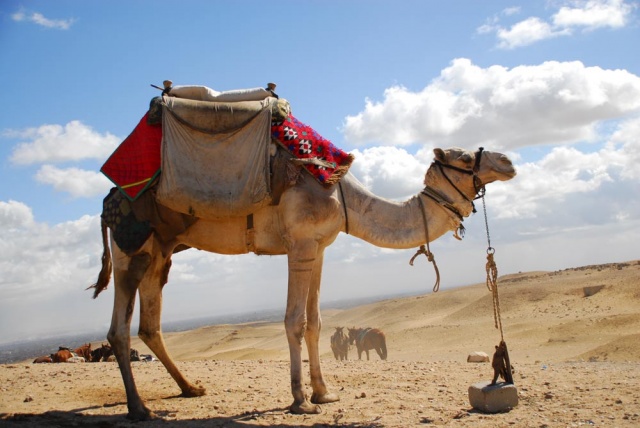
Camels are strong mammals. These animals are equipped to carry weights of up to 441 pounds (200kg) across long distances.
Arabian camels also known as Dromedary camels are commonly found in northern Africa and the Middle East, and are characterized by possessing one hump. This species of camels make up the most common group of the mammal.
While Bactrian camels with two humps, are found in Central Asia.
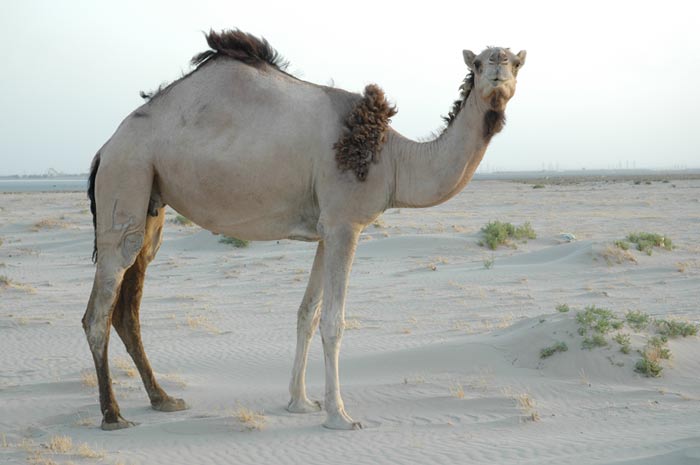
Although camels still live in the wild in some regions, they are most commonly domesticated and have served people for centuries as reliable animals for transportation, trade, and travel.
BIG CATS
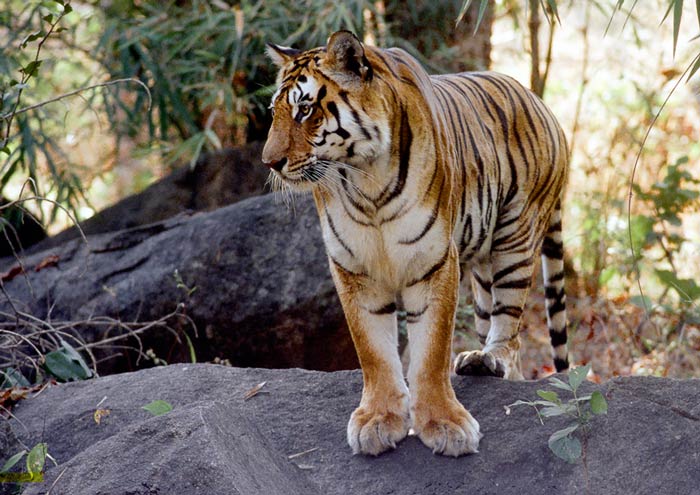
Tigers are the largest members of the cat family.
On average, an adult tiger weighs about 450 pounds (204 kilograms) and can live for up to 20 years in the wild.
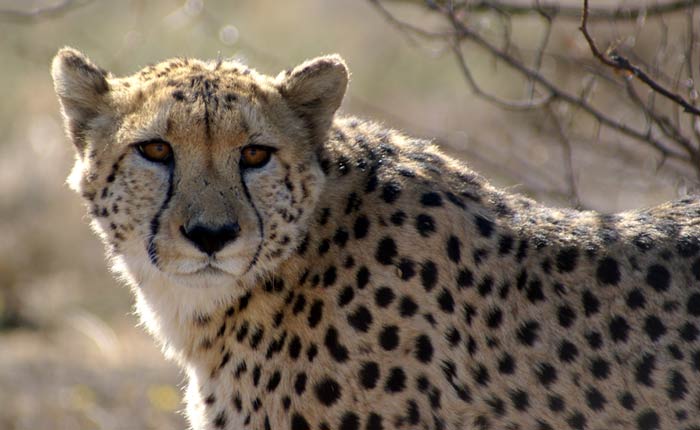
Also belonging to the cat family are Cheetahs, found mainly across parts of Africa, with a small population surviving in central Iran.
Cheetahs are built for incredible speed, and are renowned as the fastest land animals on Earth.
According to the Cheetah Conservation Fund, these mammals are capable of accelerating to more than 70 miles (110 kilometers) per hour in just over three seconds.
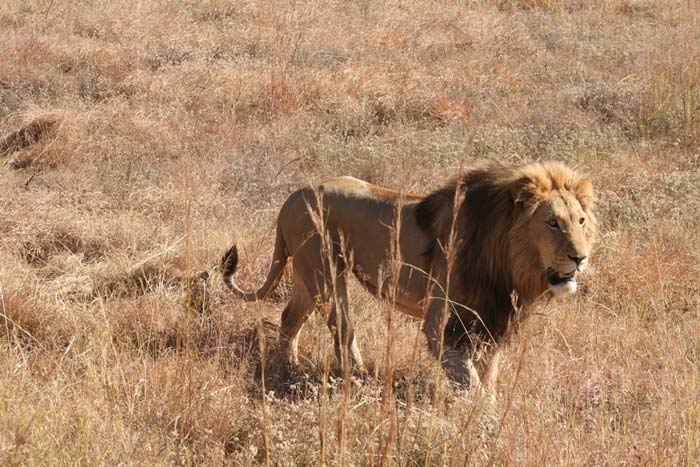
Lions are the second-largest members of the cat family after tigers.
These mammals are famous for the males’ magnificent manes, their exceptional hunting abilities, and their unique social structure.
Unlike solitary tigers, lions live and hunt in family groups known as prides.
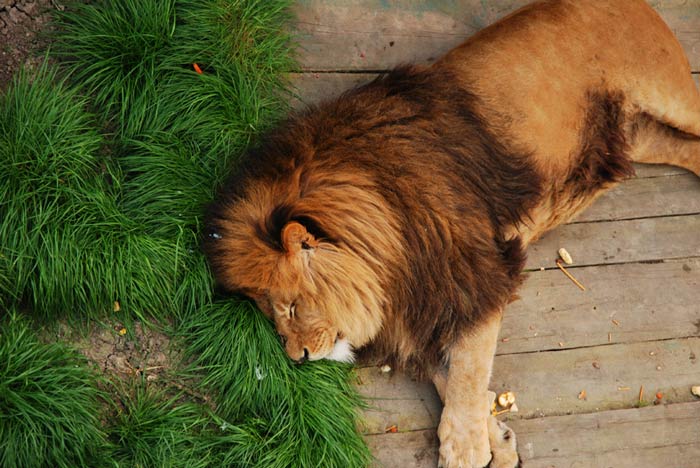
Lion populations have declined dramatically over the past century because of habitat loss, human-wildlife conflict, and other threats.
Today, wild lions are found primarily in sub-Saharan Africa, with the only remaining population outside Africa living in and around Gir National Park in India.
ELEPHANTS
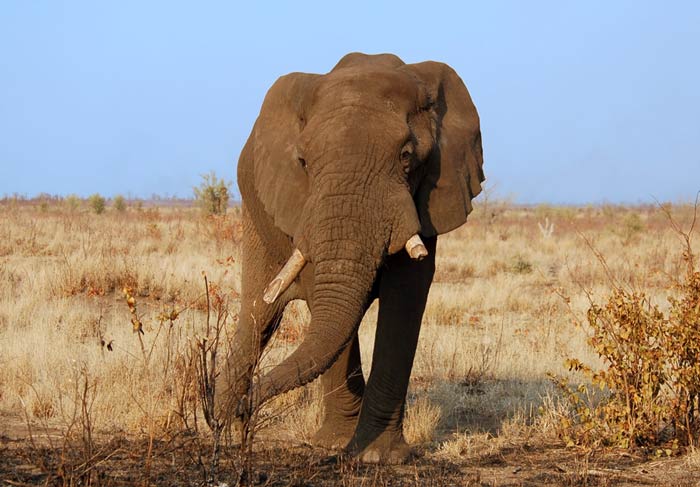
Elephants rank among the world’s most iconic and recognizable animals.
These incredible mammals inhabit forests, savannas, and grasslands across parts of Africa and Asia.
Elephants are the largest land animals on Earth, with the African savanna elephant, also known as the bush elephant, being the biggest of all elephant species.
An adult elephant’s trunk is an extraordinary organ. It can weigh up to 290 pounds (132 kilograms) and is powerful enough to lift objects weighing as much as 551 pounds (250 kilograms), while also being delicate enough to pick up small items with remarkable precision.
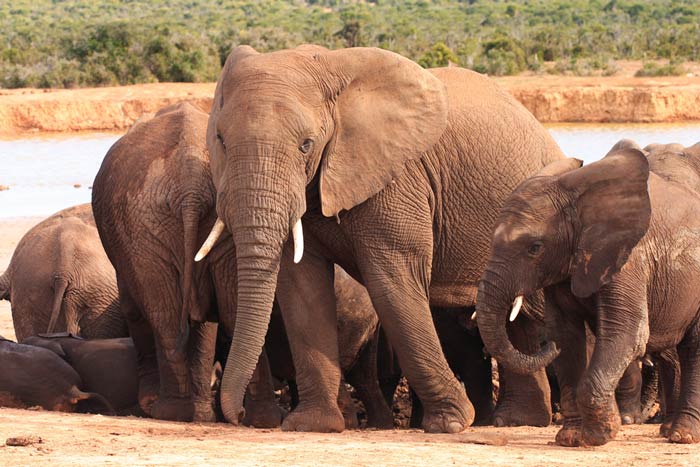
According to Britannica, elephants typically live between 60 and 80 years, making them among the longest-lived land mammals.
BUFFALOS
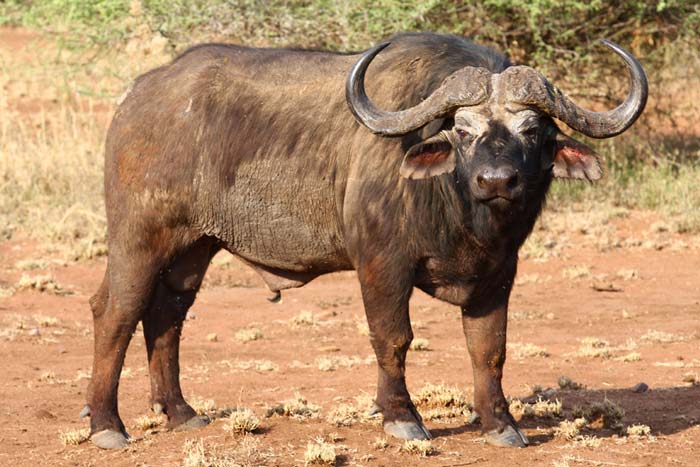
Buffalos are powerful herbivorous mammals, with some species capable of living for up to 30 years.
They are easily recognized by their large, distinctive horns, which serve as an important defense against predators.
Several species of buffaloes are found around the world.
- The water buffalo originated on the Indian subcontinent and is now common throughout South and Southeast Asia, where it is widely domesticated for farming, transportation, milk, and meat.
- The African buffalo inhabits savannas, grasslands, and wetlands across sub-Saharan Africa and, unlike the water buffalo, has not been domesticated.
- The American buffalo, more accurately known as the American bison, roams North America and has long held strong cultural significance for many Indigenous peoples, providing food, clothing, tools, and other essential resources. For many Native American communities, the buffalo symbolizes strength, and unity.
- The European bison, also called the wisent, survives in small populations in countries including Poland, Belarus, the Czech Republic, and several other parts of Europe after once being driven to the brink of extinction.
Although conservation efforts have helped some populations recover, buffaloes and bison continue to face threats from hunting, home environment degradation, and human activity. Some species remain vulnerable, underscoring the importance of ongoing wildlife conservation.
RHINOCEROS
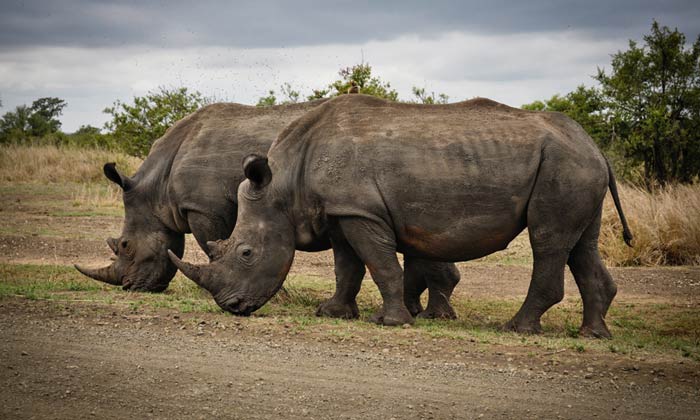
Rhinoceroses (Rhinos) are among the world’s largest land mammals, instantly recognizable by their massive bodies and the distinctive nose horns (snouts).
These ancient animals belong to one of the oldest surviving groups of large mammals, with ancestors that first appeared more than 50 million years ago.
Today, there are five living species of rhinoceros. The black rhino and white rhino are native to Africa, while the Indian, Javan, and Sumatran rhinos are found in Asia.
Male rhinos are known as bulls.
Despite weighing as much as 5,500 pounds (2,500 kilograms), rhinos are strict herbivores, feeding on grasses, leaves, shoots, and other vegetation.
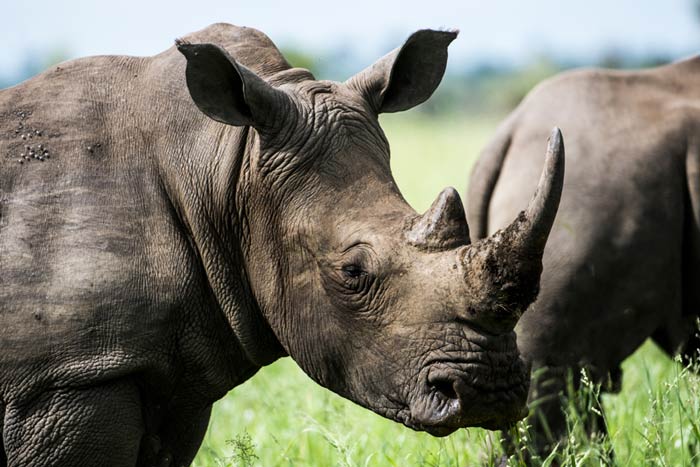
All five rhino species face significant conservation challenges. The illegal trade in rhinoceros horns, which are highly sought after for medicinal purposes and as decorative items, along with habitat destruction, has led to significant declines in their populations. Although international conservation efforts have helped some populations recover, several species remain critically endangered, making their continued protection essential.
GIRAFFES
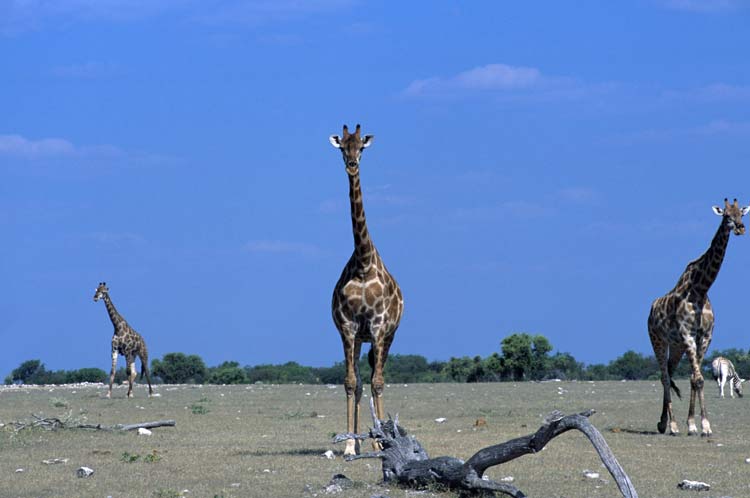
Few animals embody grace and majesty quite like the giraffe.
Giraffes are the world’s tallest land animals, standing an impressive 16 to 20 feet (5–6 meters) tall… far taller than the average human. Their extraordinary height comes from the giraffe’s exceptionally long necks and legs, while their tails can grow to nearly 8 feet (2.4 meters) in length.
Found only in sub-Saharan Africa, giraffes inhabit savannas, grasslands, and open woodlands, where they browse on the leaves of tall trees.
Their unique appearance, gentle nature, and remarkable adaptations have made them one of the world’s most identifiable and admired mammals.
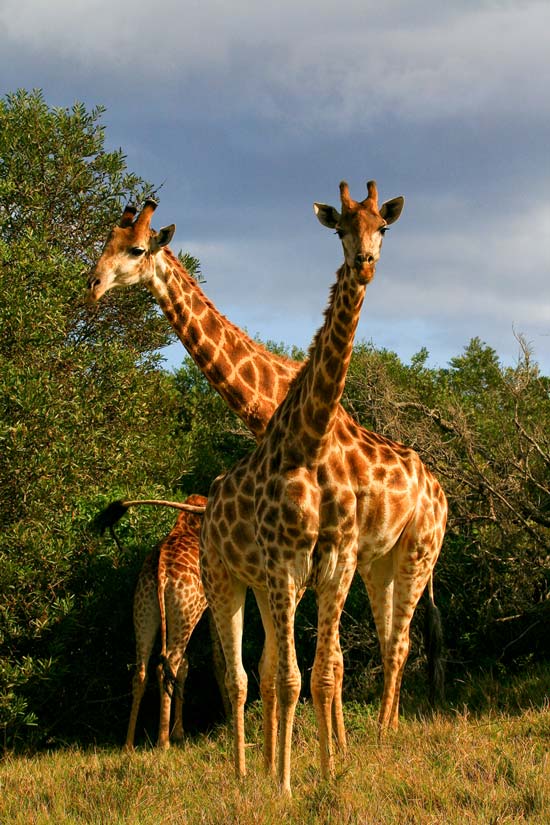
Our planet hosts a wide range of mammals and other wildlife, which belong and thrive in their natural environments. Each species contributes significantly to healthy and balanced ecosystems, making their protection crucial for future generations.
Did we miss one of your favorite large mammals? Share your thoughts in the comments—we’d love to hear from you!