How Red Rocks Initiative for Sustainable Development is Transforming a Village into a Global Model for Community-Based Tourism
“The greatest destinations are not built. They are cultivated by generations of people who understand that culture, nature, and community belong together.”
By Douglas Mugerwa
and Melissa Ingabire
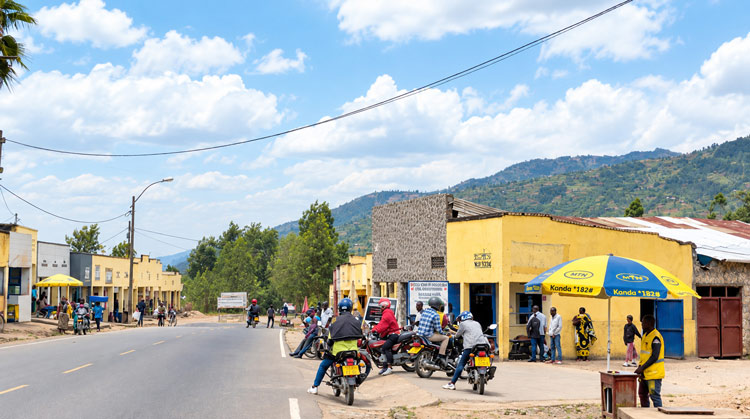
If you have never heard of Nkotsi, you are not alone. Most travelers who pass through it are actually on their way to see something else: the famous mountain gorillas in Volcanoes National Park. After hours of trekking through bamboo forests for a glimpse of a silverback (mountain gorilla), many visitors find themselves on the winding road 20 minutes southwest of Musanze town, and that is where they meet Nkotsi. For a long time, it was treated almost like an afterthought. A quick stop. A photo. A basket bought on the way out.
In 2021, UN Tourism organization, an agency that tracks the world’s travel industry, recognized Nkotsi as one of its Best Tourism Villages—a list of 44 communities worldwide chosen for how well they bring together culture, conservation, and local livelihoods. Nkotsi was one of the only African villages to make that inaugural list.
For a settlement most maps barely label, that recognition might make you wonder, what exactly has been happening in Nkotsi?
A landscape that has never been empty
To understand Nkotsi, you first have to understand where it sits. This is a village in the shadow of volcanoes. The Virunga Mountains rise up close by, their slopes covered in some of the most fertile soil in the region, soil where farmers grow potatoes to feed most of Rwanda’s population. While alternating crops, pyrethrum used to produce insecticides is also grown here. The Mukungwa River flowing from the mountains runs through the area too, feeding the fields and connecting the small farms, and forests around it.
This landscape has never just been scenery. It has shaped how people build their homes, what they grow and eat, how they heal the sick, and how they organize their communities. In Nkotsi, nature is not something separate from daily life. It is part of it.
Within the village, lies Buhanga Eco-Park, a small forest that holds an important place in Rwandan memory. According to oral tradition, this forest is connected to Gihanga Ngomijana, a legendary king credited with unifying Rwanda and bringing new skills like iron and metal working to the region. The forest has been treated as sacred for centuries with most Rwandan Kings over generations once crowned here. Farming and logging were forbidden inside it. This old belief, more than any modern law, is a big reason the trees in Buhanga Eco-Park are still standing today.
Nkotsi today as a village carries a lot of Rwandan history from coronation ceremonies to conservation efforts. People have cared for and given meaning to this land long before anyone used the phrase “sustainable tourism.”
Red Rocks bringing culture exchange
None of this cultural richness would mean much to a visitor without someone opening the door. The work of Greg Bakunzi under Red Rocks Initiative for Sustainable Development (RRISD) is an important reason Nkotsi welcomes the world as it does today. Bakunzi is widely credited with bringing the village’s community tourism efforts together into one connected model.
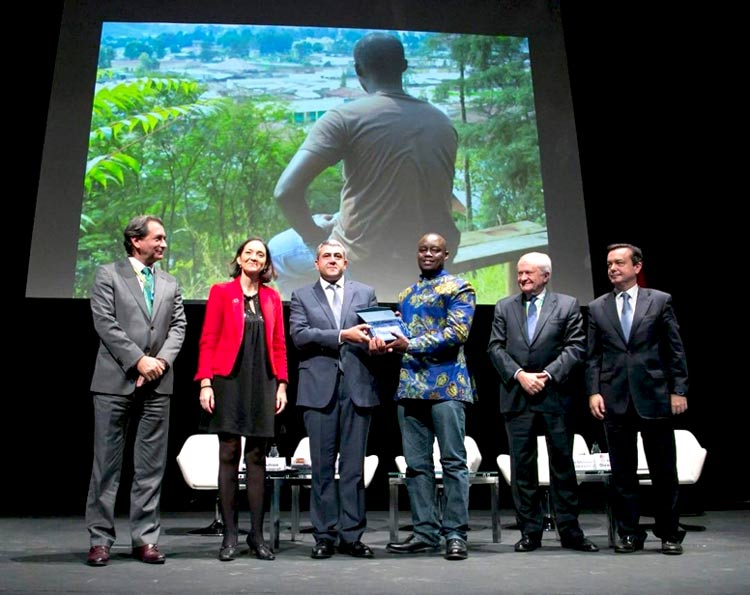
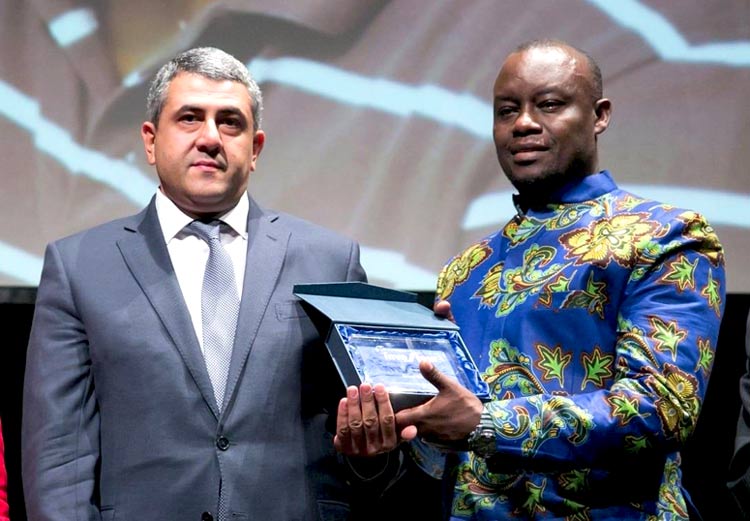
Under Red Rocks, the scattered pieces of village life, farming, weaving, brewing, storytelling, guiding, were organized into something visitors could actually take part in, with the income flowing back to the people doing the work.
The idea for this initiative has stayed simple from the start: tourism should not just pass through a community. It should belong to the people who live here.
What Community-Based Tourism actually looks like
Community-based tourism is a term that has taken on shape in recent years. In Nkotsi, it looks like ordinary life, inviting visitors to experience this rich culture and history of both the village and Rwanda.
Visitors sit with a group of women and learn about traditional banana beer brewing. From the kind of bananas used, to ripening them and then juicing the bananas in a traditional barrel to make banana juice. Accompanied by traditional drumming to bring morale as the bananas are juiced. This juice is then fermented using sorghum which acts as natural yeast. These are methods that have been passed on from one generation to another.
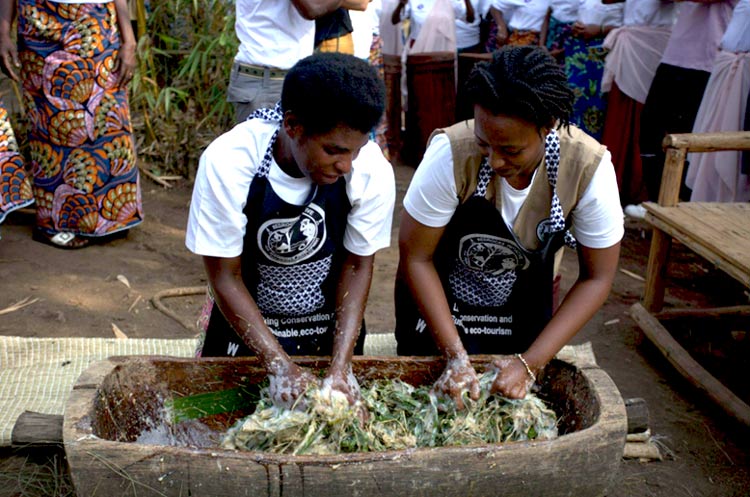
WATCH BANANA BEER EXPERIENCE, RWANDA
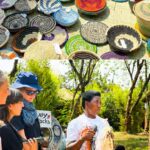
Traditional Rwandan baskets (Agaseke) bring unique craftsmanship. The women here also teach how to weave using sisal. The baskets were traditionally used to store food, and presented as gifts during various ceremonies. Today, these baskets have been crafted to use for decoration among other things.
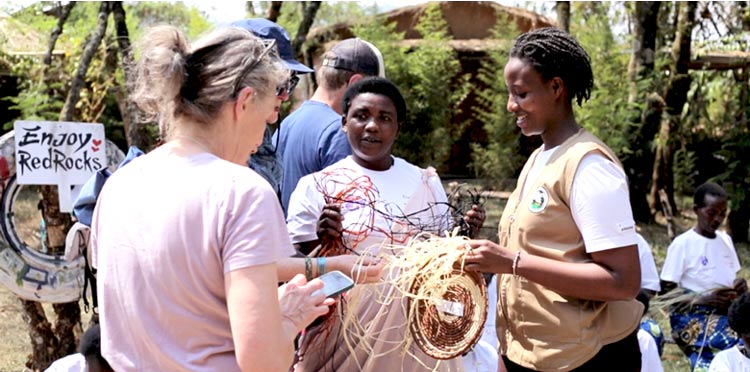
Participating in village walks to experience and understand life in the community has become one of the main attractions for tourists. Local guides give tours to the regional markets, and local farms where traditional medicinal plants are still grown. Visitors learn how herbs have been used to heal and treat common illnesses within the population.
Each of the activities is a direct source of income within the ecosystem at Red Rocks. The fee for a guided walk, the money from a basket sale, the cost of a homestay night, all of it goes to the person doing the work. Multiply that across weaving groups, farming families, and young local guides, and tourism starts to look less like one big industry and more like a web of small ones, all feeding each other.
Why Nkotsi matters far beyond Rwanda
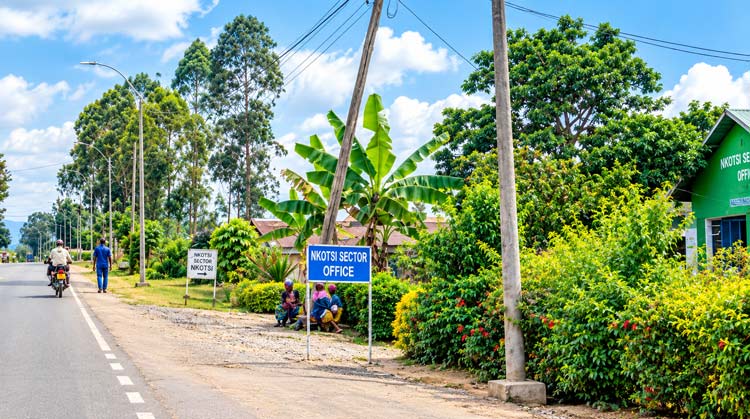
It would be simple to write about Nkotsi as just a nice travel story and destination. But there is a bigger lesson we can learn from the RRISD’s model that includes the village Nkotsi and most importantly its people.The lesson here is that a village near a famous attraction, whether that is wildlife, a forest, or a historic site, does not need to compete with that attraction. It can complement it instead. Let the big draw bring visitors to the region. Let the village itself decide what happens once the visitors arrive.
A story that is still being written
Nkotsi is still growing and building. The young people in the village are being trained as guides, and in newer programs, even as wildlife filmmakers, learning to tell their own region’s stories. Farmers keep working the same terraced hillsides and sharing knowledge on local medical herbs. Women’s cooperatives now sell baskets on global markets and can now afford to pay into the National Health Insurance, Mituweli, send their children to school, and more. None of this erases the real challenges of rural life here, including income that rises and falls with tourism, and turning everyday tasks into something visitors can join.
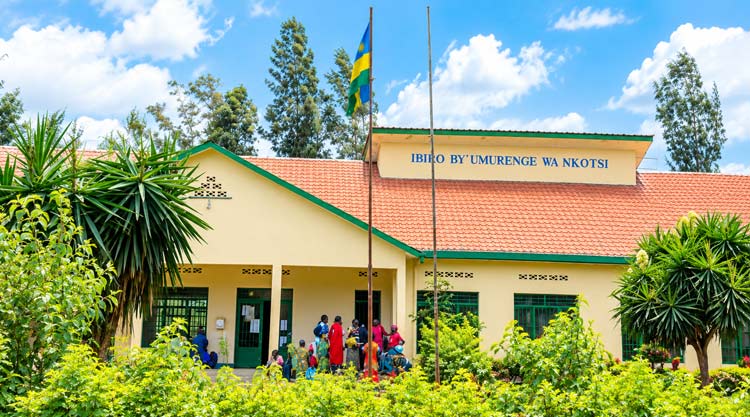
The story of Nkotsi is worth paying attention to. The women, men and youth here continue to shape their stories and that of their village, one basket, a banana beer making session, a village walk at a time. Taking ownership each step of the way.
REDROCKSRWANDA.COM
FB: Facebook.com/redrocksinitiative
IG: Instagram.com/redrocks.rwanda
TikTok: tiktok.com/@redrocksrwanda1