Every generation inherits a nation. More importantly, every generation also leaves one behind.
The Cameroon we experience today is not simply the product of geography, natural resources, or political leadership. It is the cumulative result of millions of daily choices made over many decades, choices about honesty and integrity, work and responsibility, education and service, law and justice, unity and division.
Nations are not built only in presidential offices, parliaments, or courtrooms. They are built in homes, classrooms, markets, businesses, farms, places of worship, community associations, and neighborhoods where ordinary citizens make decisions every day.
This is the conviction that gives birth to the Next Generation Corner. The ensuing articles in this column will explore one central question:
What kind of citizens must we become if we hope to build the Cameroon we desire?
This is not a political project. It is a civic one. It is not about choosing parties, defending politicians, or debating personalities. Governments change. Policies evolve. Leaders come and go. But the values that sustain prosperous societies must outlast them all. When citizens consistently uphold those values, institutions become stronger, economies become more productive, justice becomes more reliable, and communities become more resilient.
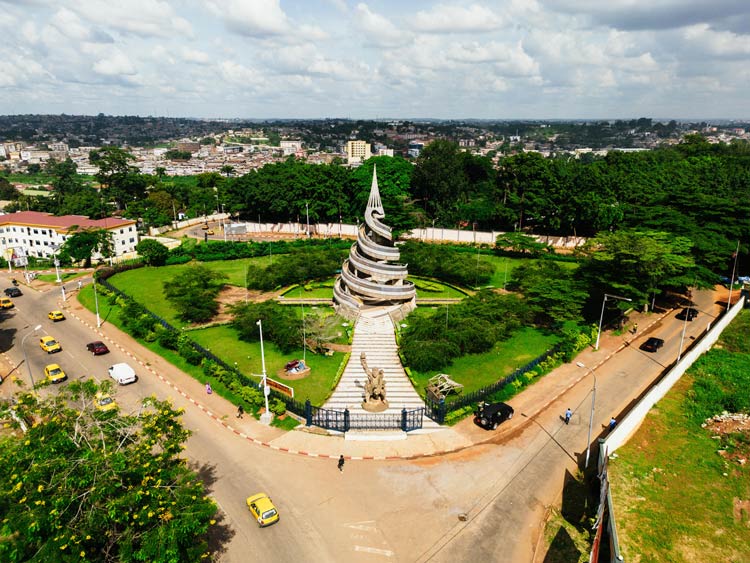
Throughout history, countries that have transformed themselves did not do so because they possessed extraordinary natural advantages. They cultivated extraordinary civic habits.
Consider Botswana. At independence in 1966, it was one of the poorest countries in the world. Yet through decades of relatively strong public governance, prudent stewardship of national resources, and respect for institutions, it emerged as one of Africa’s most stable democracies and fastest-growing economies. Singapore offers another lesson. With few natural resources and immense challenges at independence, it invested heavily in clean institutions, meritocracy, education, and long-term planning. Within a generation, it became one of the world’s leading financial and commercial centers. South Korea tells a similar story. Once devastated by war and widespread poverty, it transformed itself through disciplined investment in education, manufacturing, innovation, and public institutions. Today it stands among the world’s leading industrial and technological economies.
None of these nations followed identical paths. Their histories, cultures, and political systems differ considerably. Yet they share an important lesson: sustainable national progress depends not merely on government decisions but on citizens who consistently strengthen institutions through discipline, responsibility, trust, and civic commitment.
Cameroon already possesses many of the ingredients required for national success. Our country is blessed with remarkable cultural diversity, fertile agricultural land, abundant natural resources, entrepreneurial people, and a young population filled with talent and ambition. These are significant strengths.
Yet resources alone do not determine national destiny. Around the world, many resource-rich nations have struggled, while countries with comparatively few natural advantages have achieved remarkable progress through strong institutions and an engaged citizenry.
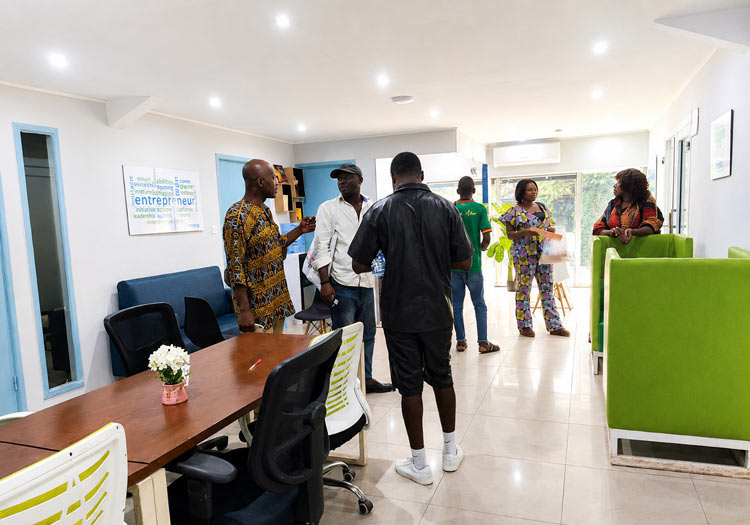
The question before us is therefore not simply, “What does Cameroon have?” The deeper question is, “Who are we becoming?”
Every society develops habits. Some habits strengthen nations. Others quietly weaken them. When corruption becomes acceptable, trust erodes. When public property is treated as nobody’s responsibility, everyone ultimately pays the price. When appointments are based solely on personal connections rather than competence, institutions lose effectiveness. When citizens obey laws only when they are being watched, the rule of law gradually deteriorates.
Conversely, when people fulfill their obligations even when no one is looking, confidence grows. Businesses are more willing to invest. Communities cooperate readily. Public institutions earn credibility. Opportunity expands because trust itself becomes a national asset, thereby reducing the cost (and risk) of doing business, strengthening relationships, and making collective action possible.
This is where consciousness begins: recognizing this relationship between personal conduct and national development. It asks us to move beyond blame, not by excusing failed leadership or weak institutions, but by refusing to surrender our own responsibility.
Instead of asking only, “Why is the country not changing?” we must also ask, “What contribution am I making to the country I want to see?” This shift may seem small, but history suggests its consequences are profound. No constitution can compensate indefinitely for widespread dishonesty. No economic policy can fully overcome persistent indifference. No government, however capable, can build a prosperous nation without citizens who value excellence, responsibility, and service. By the same measure, no challenge is insurmountable when millions of citizens gradually embrace virtues that drive growth and development.
The purpose of this column and series is not to lecture. It is to begin (and for some, continue) a national conversation, one that connects the future we demand from our leaders, with the standards we demand from ourselves.
In the subsequent articles, we will examine the values that shape successful societies: integrity, accountability, education, productive work, entrepreneurship, respect for institutions, community service, environmental stewardship, civic participation, family responsibility, leadership, innovation, and the responsibilities that accompany freedom. We will also learn from countries across Africa and around the world—not to imitate them blindly, but to understand principles that transcend geography and culture. Every nation must ultimately discover its own path, yet wisdom often emerges by observing what has enabled others to build stronger institutions and more prosperous societies.
Above all, this column is an invitation: to parents raising future citizens; to teachers shaping young minds; to entrepreneurs creating opportunity; to civil servants entrusted with public resources; to students preparing for tomorrow; to religious leaders nurturing moral character; and to farmers, artisans, professionals, business owners, workers, and every Cameroonian who believes our nation’s future can be brighter than its past.
National transformation is rarely a single dramatic event. More often, it is the cumulative force of countless decisions made faithfully over many years, until individual choices become shared habits, shared habits become culture, and culture reshapes a nation.
Perhaps that is the true meaning of consciousness—not simply awareness, but the deliberate decision to live in ways that strengthen the society we all share.
If enough citizens make that decision consistently, a generation from now we may look back and discover that the transformation we sought did not begin in government offices.
It began in the conscience of ordinary people.
And perhaps that is where every lasting national renewal has always begun.
***
 Collins Ncho currently resides in Houston, TX. A husband and a father of three children. He holds a bachelor’s degree in accounting and a master’s degree in nonprofit management from the University of Houston. Collins has over a decade of combined experience in SEC auditing, financial management, and philanthropic initiatives in Cameroon. He is the founder and president of NEXTGEN Institute of Texas & Cameroon, which focuses on civic consciousness, leadership, and community development. He is also involved in several business and social-impact initiatives in Cameroon.